
Spending
-
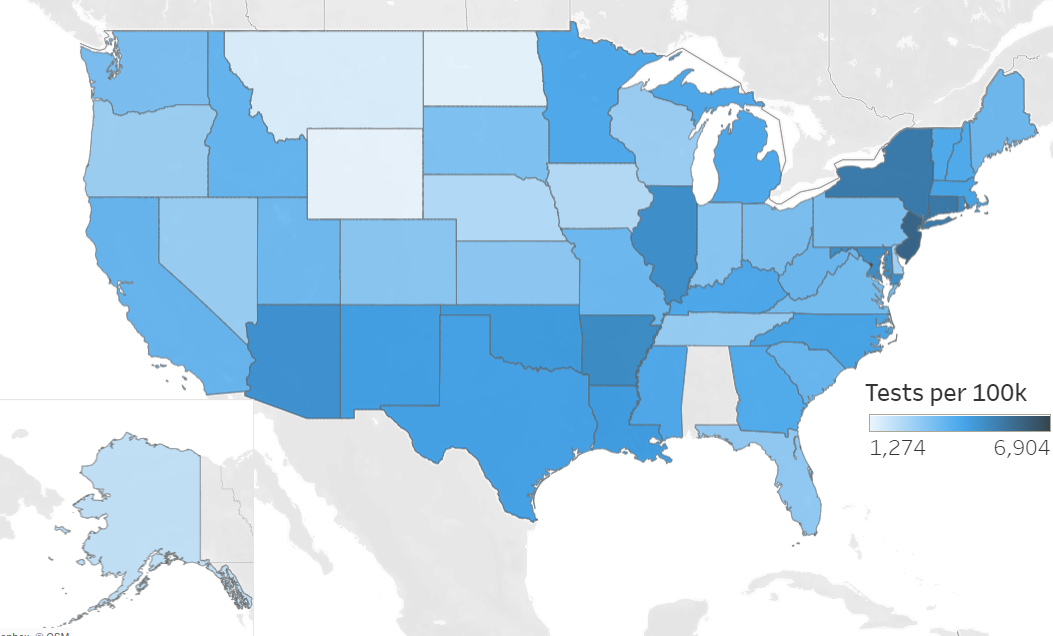
COVID Tests Cost $0 for Most People in 2020
 for Most People in 2020″ style=”border-radius:5px;width:100%;height:100%;object-fit:cover;” decoding=”async” fetchpriority=”high” />Read more: COVID Tests Cost $0 for Most People in 2020
COVID-19 testing has become a regular part of life for many Americans over the last two years. In addition to facilitating individual returns to work, school, and other activities, testing is a crucial component of the public health strategy to monitor and address the spread of the virus. Even as testing becomes more available, there…
-
JAMA Health Forum: Comparison of Anticancer Medication Use and Spending Under US Oncology Parity Laws With and Without Out-of-Pocket Spending Caps
Tags: Spending Read more: JAMA Health Forum: Comparison of Anticancer Medication Use and Spending Under US Oncology Parity Laws With and Without Out-of-Pocket Spending Caps
Abstract: IMPORTANCE By 2020, nearly all states had adopted oncology parity laws in the US, ensuring that patients in fully insured private health plans pay no more for orally administered anticancer medications (OAMs) than infused therapies. Between 2013 and mid-2017, 11 states implemented parity with out-of-pocket spending caps, which may further reduce patient out-of-pocket spending….
-
Modern Healthcare: Caring for oldest, sickest patients now a growth business
Read more: Modern Healthcare: Caring for oldest, sickest patients now a growth businessHCCI’s research on spending for individuals with employer-sponsored health insurance was featured in an article for Modern Healthcare. From the article: “Spending per person with employer-sponsored insurance was about $5,900 in 2018, according to the Health Care Cost Institute’s latest data.” Caring for Medicare Advantage patients now a growth business Medicare Advantage patients are the…
-
Consumer-Directed Health Plan Enrollment Rises in All Cities over 10 Years (2008 to 2017)
Tags: 10 Year Trend, Commercially Insured, Consumer-Directed Health Plans, Geographic Variation, Out-of-Pocket, Spending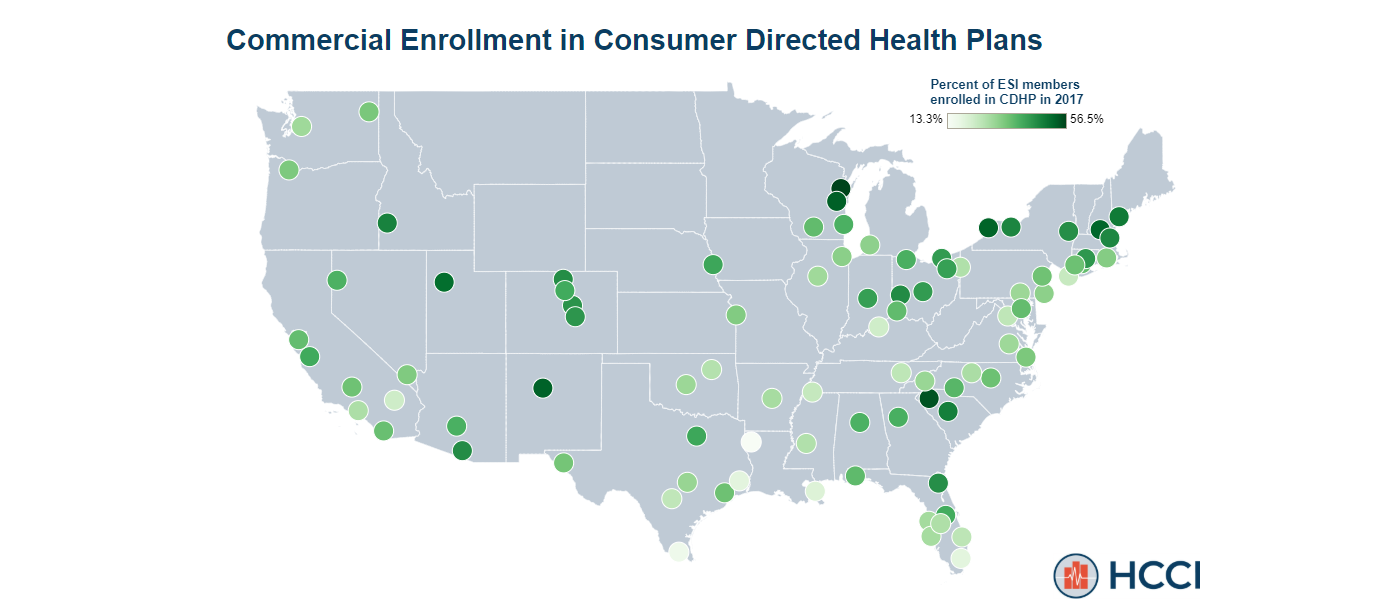 Read more: Consumer-Directed Health Plan Enrollment Rises in All Cities over 10 Years (2008 to 2017)
Recent analysis by HCCI finds that enrollment in consumer-directed health plans (CDHPs) increased dramatically since 2008. Nationally, nearly a third of commercially insured individuals were enrolled in a CDHP in 2017, up from 7.5% in 2008. Over ten years, enrollment in CDHPs doubled in 85 of the 88 metro areas studied. High-deductible health plans (HDHPs) have become increasingly common…
-
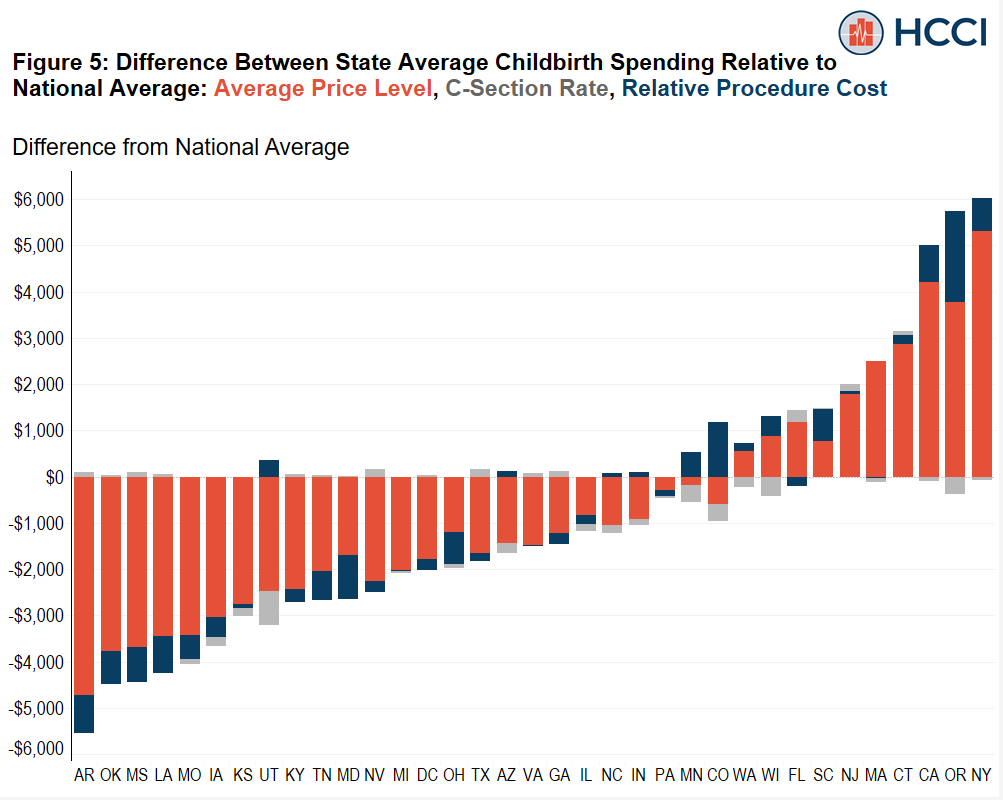
Understanding Variation in Spending on Childbirth Among the Commercially Insured
 Read more: Understanding Variation in Spending on Childbirth Among the Commercially Insured
Childbirth is the most frequent reason for an inpatient admission in the United States, and Cesarean-section (C-section) is the most common operating room procedure in an inpatient hospital stay. Among people who get insurance through an employer, the combination of labor, delivery, and newborn care makes up nearly one in six dollars spent on inpatient…
-
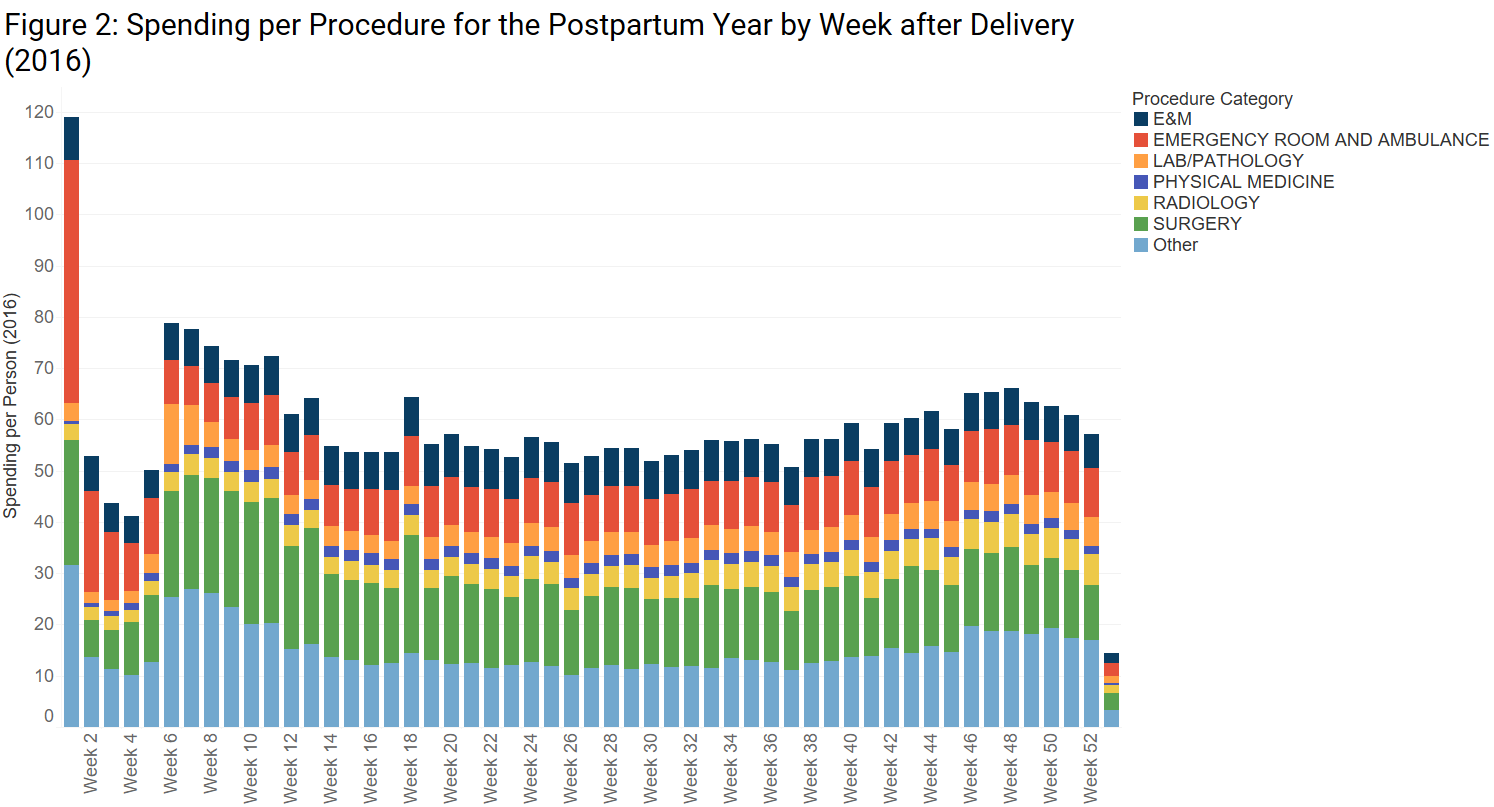
Most Postpartum Spending Occurs Beyond 60 Days After Delivery
 Read more: Most Postpartum Spending Occurs Beyond 60 Days After Delivery
The postpartum period is a vulnerable time for both birthing parent and newborn and is critically important to their health and well-being. The American College of Obstetricians and Gynecologists (ACOG) recommends ongoing, comprehensive care, including physical, social, and psychological services, during the postpartum period. In large part because of an increasing maternal mortality rate in the US –…
-
The Dallas Morning News: Texans are paying more for health insurance — and using it less
Read more: The Dallas Morning News: Texans are paying more for health insurance — and using it lessHCCI’s 2017 Annual Report and Healthy Marketplace Index were featured in an article in The Dallas Morning News. Texans are paying more for health insurance — and using it less Nearly everyone is spending more on health care, often a lot more. But did you realize people are using it less? Utilization of health care…
-
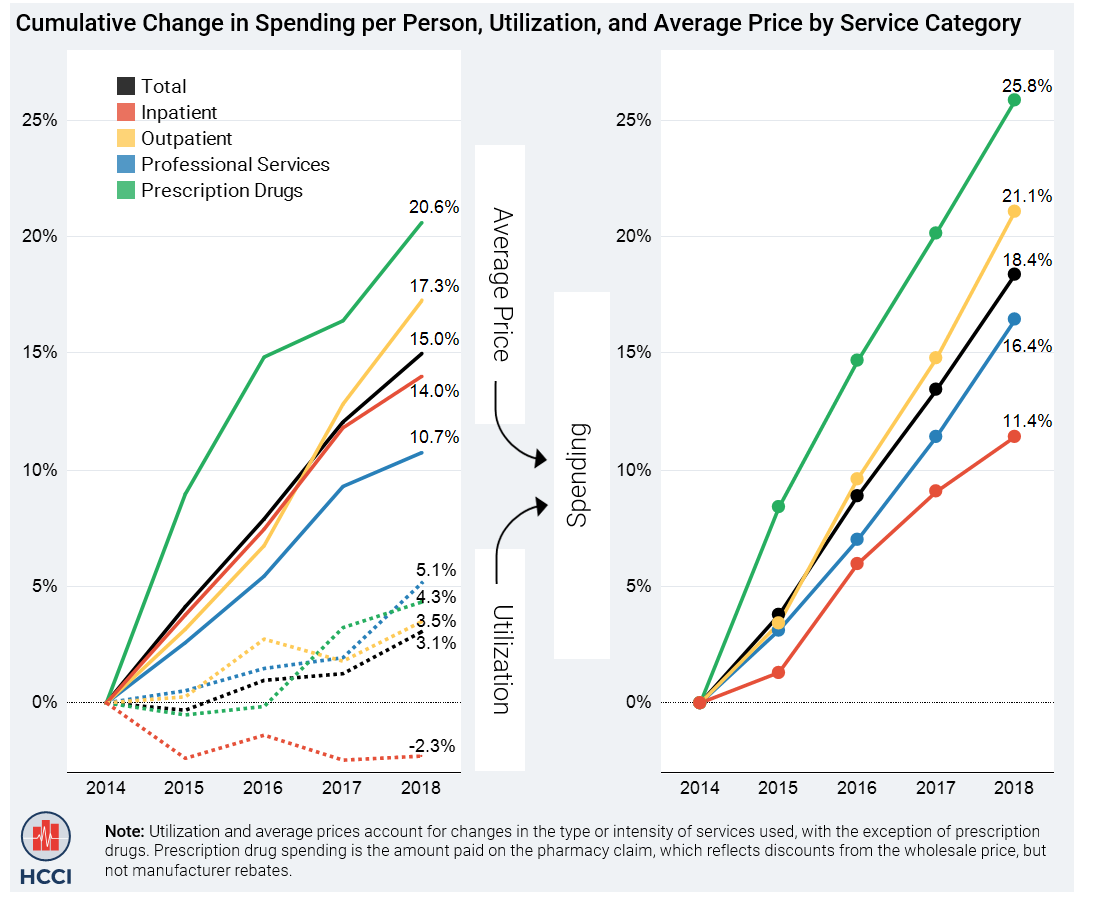
2018 Health Care Cost and Utilization Report
 Read more: 2018 Health Care Cost and Utilization Report
The 2018 Health Care Cost and Utilization Report presents data on health care spending, utilization, and average prices from 2014 through 2018 for individuals under the age of 65 who receive health insurance coverage through an employer. The report draws on data from more than 2.5 billion medical and prescription drug claims for approximately 40…
-
The Washington Post: The Health 202: Health-care costs might decline if hospitals are forced by the Trump administration to disclose their prices
Read more: The Washington Post: The Health 202: Health-care costs might decline if hospitals are forced by the Trump administration to disclose their pricesHCCI research on the potential effects of price transparency on price variation was cited in a recent Washington Post article. “There is more wiggle room on the high side — it could make up for price increases on the lower side,” said Kevin Kennedy, one of the study researchers. The Health 202: Health-care costs might decline…
-
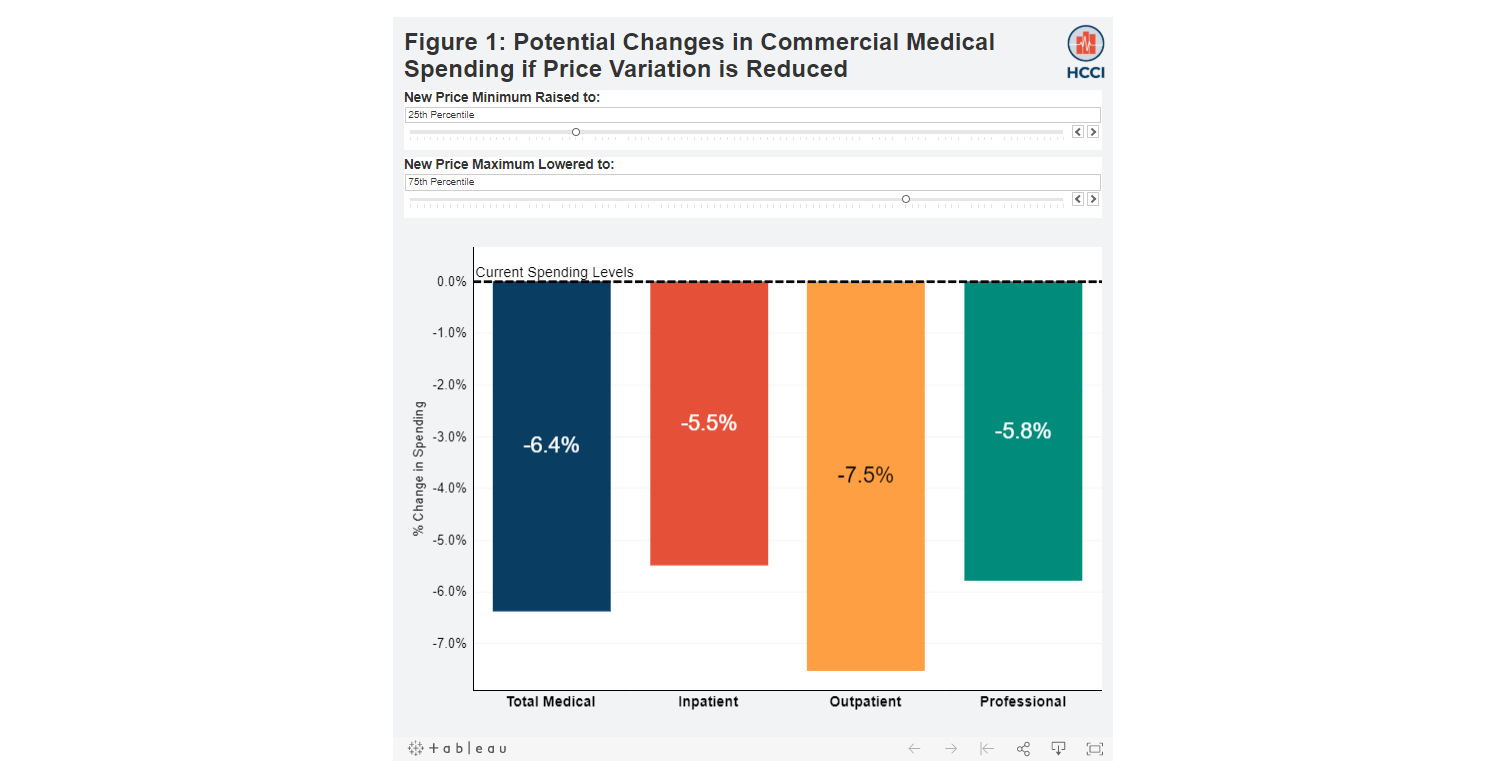
What if Price Transparency Reduced Commercial Price Variation?
 Read more: What if Price Transparency Reduced Commercial Price Variation?
As previous reports have indicated, there is widespread price variation in the U.S. commercial health care system. Many studies have shown that prices are dramatically different not only across geographies, but they vary substantially even within the same market for the same service. For example, we found that prices for the same blood tests could…