Drug Spending
-
Reuters: U.S. Insulin Costs Per Patient Nearly Doubled From 2012 to 2016: Study
 Read more: Reuters: U.S. Insulin Costs Per Patient Nearly Doubled From 2012 to 2016: Study
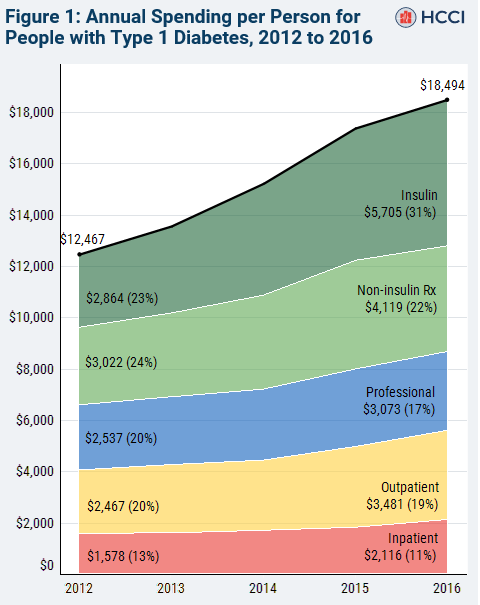
HCCI’s latest research on rising insulin prices was recently featured in Reuters. HCCI’s report detailed both use and price trends of insulin used by those with type 1 diabetes from 2012 to 2016. Per Reuters article: “A person with type 1 diabetes incurred annual insulin costs of $5,705, on average, in 2016. The average cost was…
-
Spending on Individuals with Type 1 Diabetes and the Role of Rapidly Increasing Insulin Prices
 Read more: Spending on Individuals with Type 1 Diabetes and the Role of Rapidly Increasing Insulin Prices
We used health care claims data to investigate trends in total health care spending on individuals with type 1 diabetes between 2012 and 2016. We found a rapid increase in total health care spending, driven primarily by gross spending on insulin that doubled over the period. During that time insulin use rose only modestly. While…
-
Health Affairs: Health Care Spending Under Employer-Sponsored Insurance: A 10-Year Retrospective
Tags: Commercially Insured, Drug Spending, Health Affairs, Inpatient Spending, Outpatient Spending, Peer Reviewed Journals, Physician Spending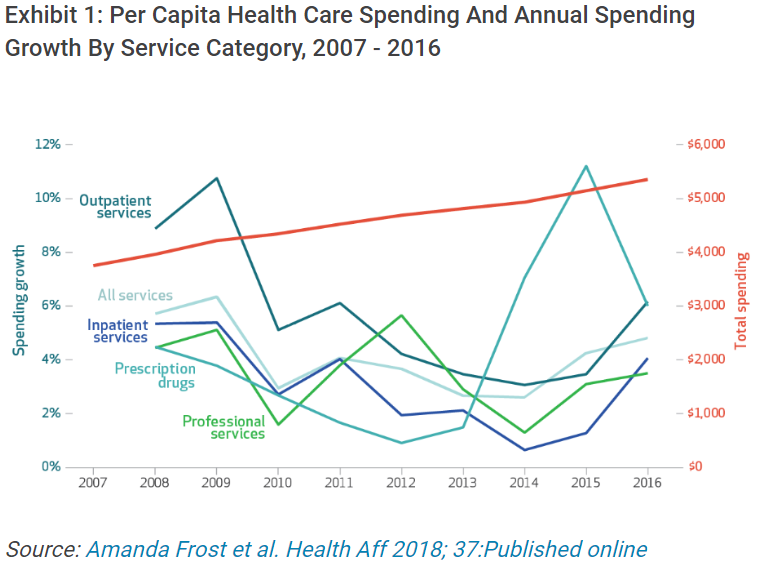 Read more: Health Affairs: Health Care Spending Under Employer-Sponsored Insurance: A 10-Year Retrospective
ABSTRACT Using a national sample of health care claims data from the Health Care Cost Institute, we found that total spending per capita (not including premiums) on health services for enrollees in employer-sponsored insurance plans increased by 44 percent from 2007 through 2016 (average annual growth of 4.1 percent). Spending increased across all major categories…
-
2016 Health Care Cost and Utilization Report
Tags: Drug Spending, Geographic Variation, HCCUR, Inpatient Spending, Out-of-Pocket, Outpatient Spending, Physician Spending, Prices, Utilization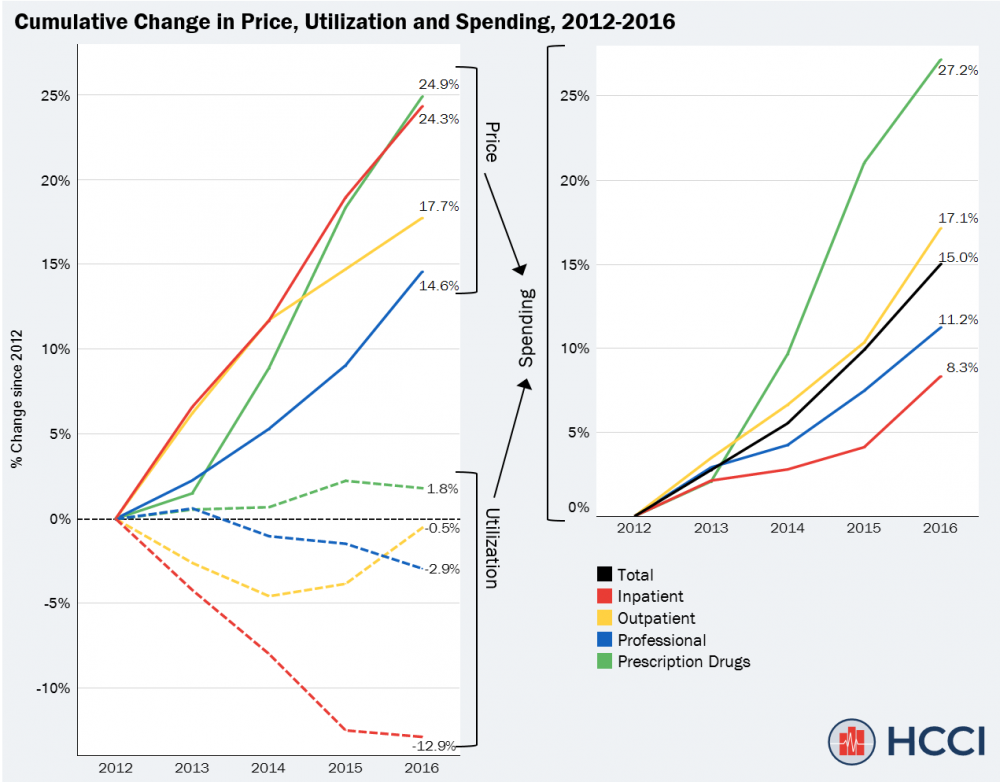 Read more: 2016 Health Care Cost and Utilization Report
The 2016 Health Care Cost and Utilization Report shows that spending per privately insured person grew by 4.6 percent, faster than in previous years. Price increases were the primary driver. The report covers the period 2012 through 2016 and includes claims data from four national insurance companies: Aetna, Humana, Kaiser Permanente, and UnitedHealthcare. The data in…
-
Interactive Tool: Disease Modifying Therapies Drove 82% of Total Increase in Health Care Spending for People with Multiple Sclerosis
 Read more: Interactive Tool: Disease Modifying Therapies Drove 82% of Total Increase in Health Care Spending for People with Multiple Sclerosis
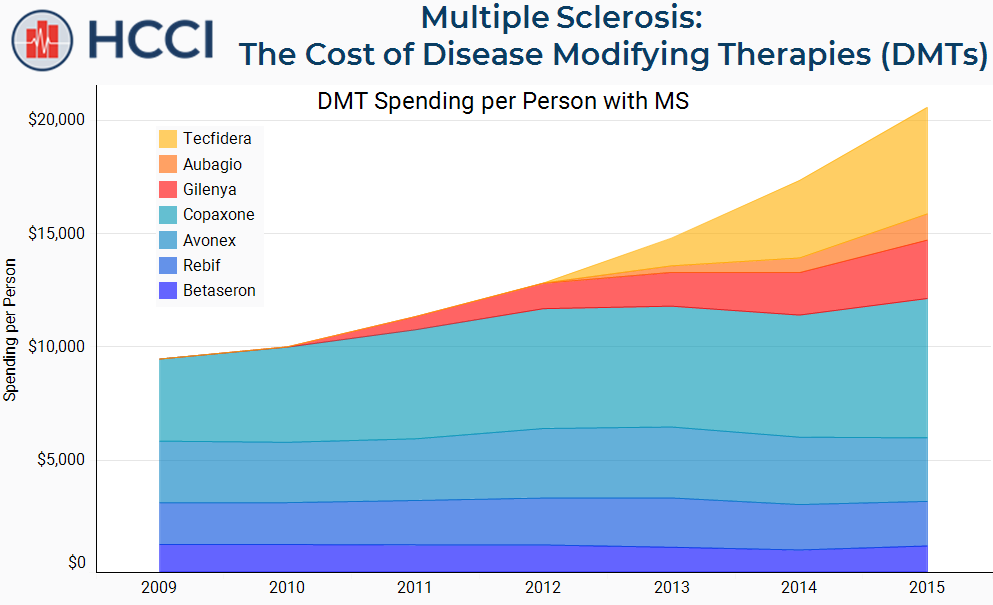
In a recent issue brief, HCCI found that the already high cost of care for people with multiple sclerosis (MS) rose dramatically over the past several years. The primary driver was the increasing cost of a small group of prescription drugs called Disease Modifying Therapies (DMTs). To illustrate the role prescription drug prices play in…
-
Health Exec: Drug competition didn’t stop sharp increase in MS spending
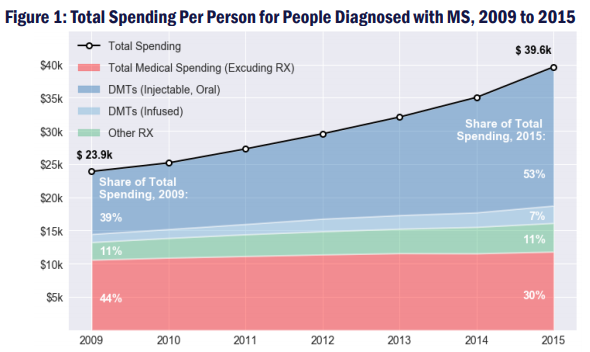
Read more: Health Exec: Drug competition didn’t stop sharp increase in MS spendingBy: John Gregory Between 2009 and 2015, spending on patients with multiple sclerosis (MS) greatly increased, with disease modifying therapies (DMTs) accounting for 82 percent of that increase as prices jumped every year and use slightly declined. The report from the Health Care Cost Institute (HCCI) examined claims for people with MS from 2009 to…
-
The Rising Cost of Specialty Drugs Drove Spending Increases for People with Multiple Sclerosis
 Read more: The Rising Cost of Specialty Drugs Drove Spending Increases for People with Multiple Sclerosis
This issue brief investigates how the cost of prescription drugs affects the total cost of care for people with multiple sclerosis (MS). It decomposes total health care spending by category, specifically separating out spending on specialty drugs used to treat MS, called Disease Modifying Therapies (DMTs). The issue brief subsequently examines whether changes in spending…
-
Under Pressure – Adults with Hypertension are Spending Increasingly More on Health Care
 Read more: Under Pressure – Adults with Hypertension are Spending Increasingly More on Health Care
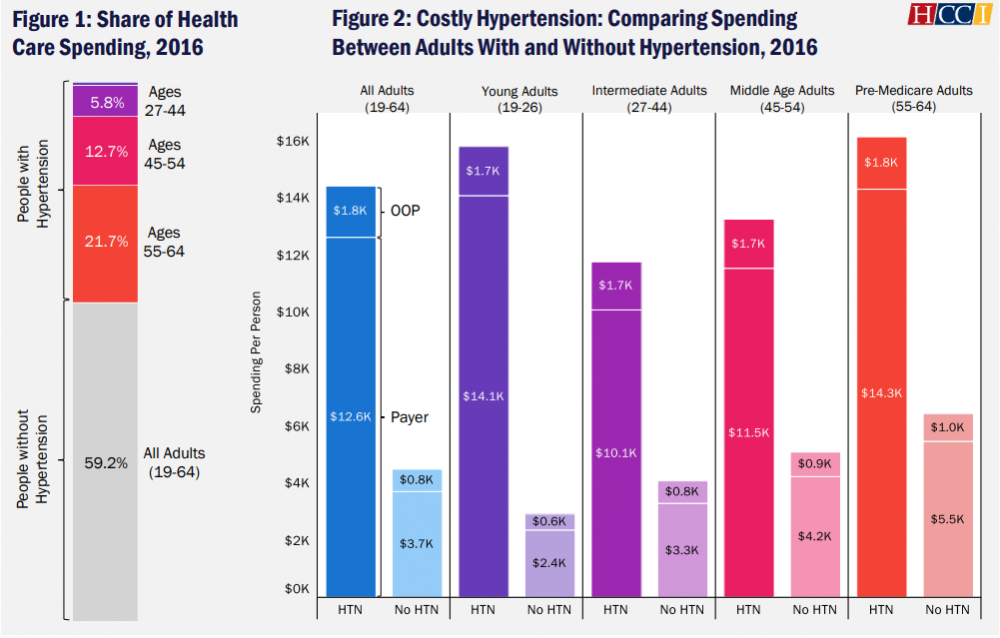
This issue brief compares trends in health care spending from 2012 to 2016 for adults with employer-sponsored insurance who were diagnosed with hypertension to those not diagnosed with hypertension. It also considers how changes in prescription drug spending compare to changes in prescription drug use for adults with a hypertension diagnosis.
-
Top Spenders Among the Commercially Insured Increased Spending Concentration and Consistent Turnover from 2013 to 2015
Tags: Commercially Insured, Drug Spending, Inpatient Spending, Out-of-Pocket, Outpatient Spending, Physician Spending, Top Spenders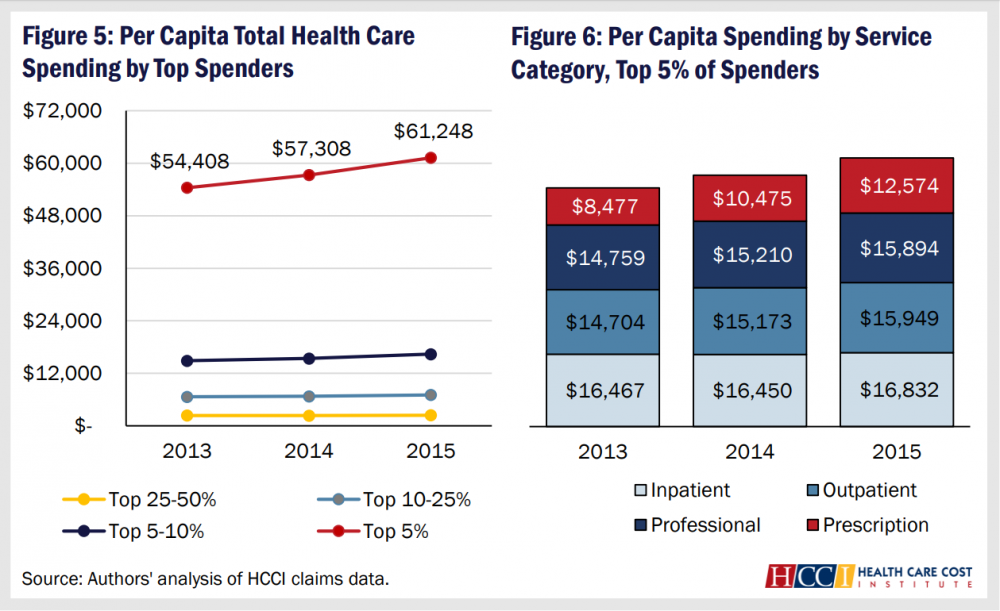 Read more: Top Spenders Among the Commercially Insured Increased Spending Concentration and Consistent Turnover from 2013 to 2015
This issue brief explores the distribution of health care spending among commercially insured individuals, with a focus on the top 5 percent of spenders and turnover within that group from year to year. It considers the share of spending incurred by this group of top spenders, how those dollars are distributed among the health care…
-
Wall Street Journal: Health-Care Costs Rose for Americans With Employer-Sponsored Insurance
Read more: Wall Street Journal: Health-Care Costs Rose for Americans With Employer-Sponsored InsuranceBy: Jeanne Whalen Spending on health care accelerated in 2016 for Americans who get insurance through work, even as use of most health-care services declined or remained flat. The reason, according to a new report: price increases. Rising prices for prescription drugs, surgery, emergency-room visits and other services drove a 4.6% increase in total spending…