
Children
-
More Children Visit the Emergency Room for Asthma during School Months Compared to Summer Months
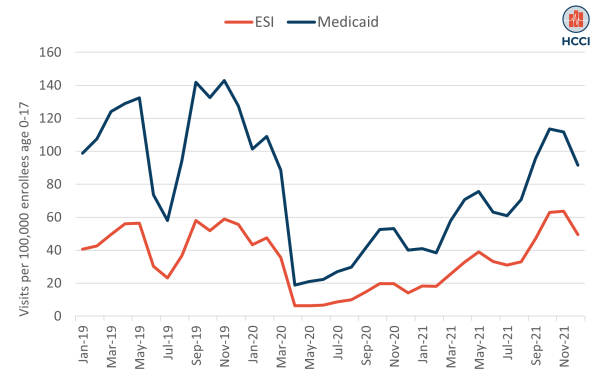 Read more: More Children Visit the Emergency Room for Asthma during School Months Compared to Summer Months
Asthma is the most common chronic condition among children in the U.S. and one of the leading reasons for pediatric emergency room (ER) visits. Schools play an important role in managing asthma among children since kids spend most of their time in school and school buildings may have environmental factors such as poor air quality…
-
Childrens Asthma ER Visits
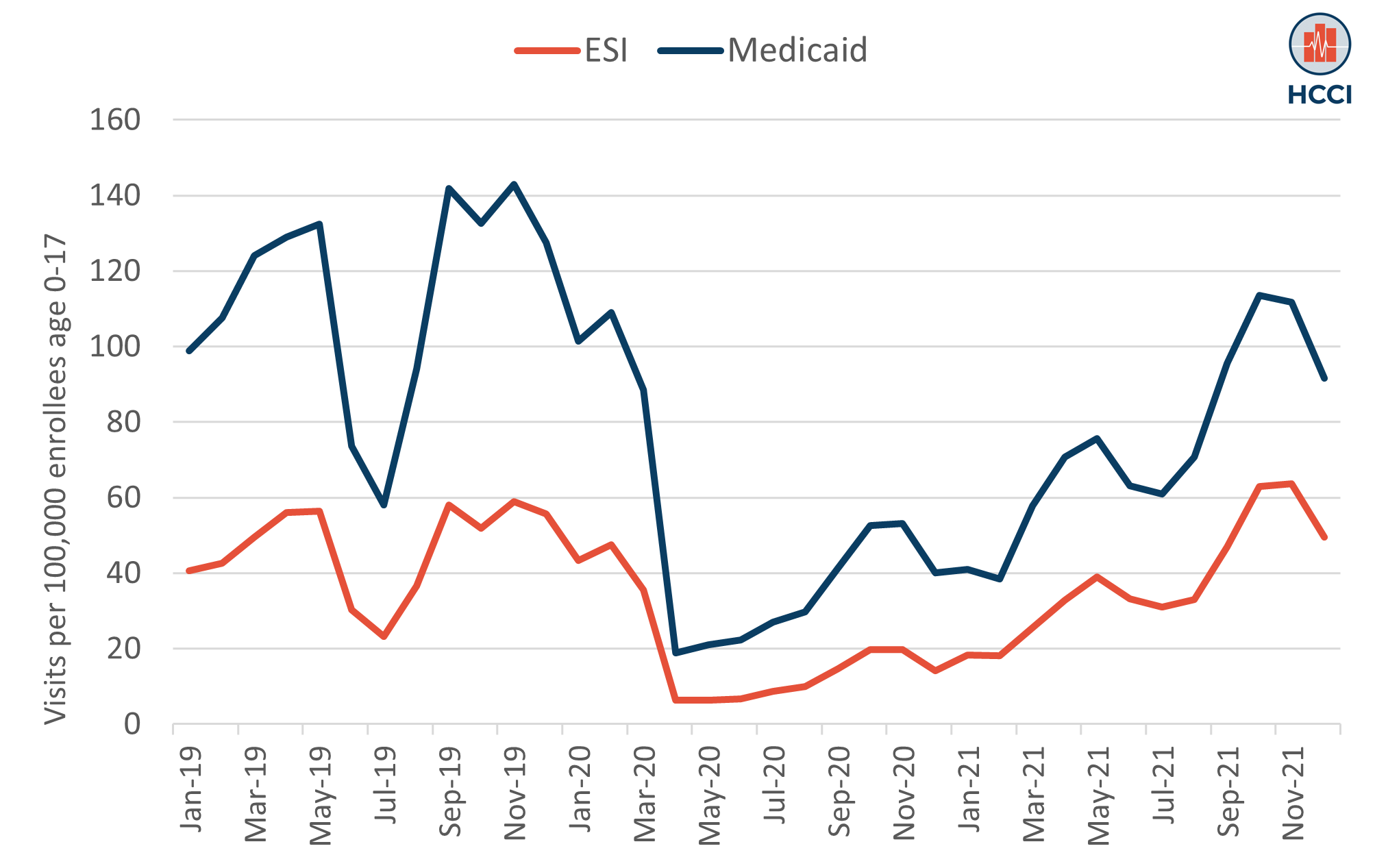 Read more: Childrens Asthma ER Visits
Asthma is the most common chronic condition among children in the U.S. and one of the leading reasons for pediatric emergency room (ER) visits. Schools play an important role in managing asthma among children since kids spend most of their time in school and school buildings may have environmental factors such as poor air quality and mold which can trigger asthma…
-
HCCI Data Byte: Using 5-Digit Enrollee and Hospital Zip Code Data to Examine Travel Times for Children’s Hospital Services
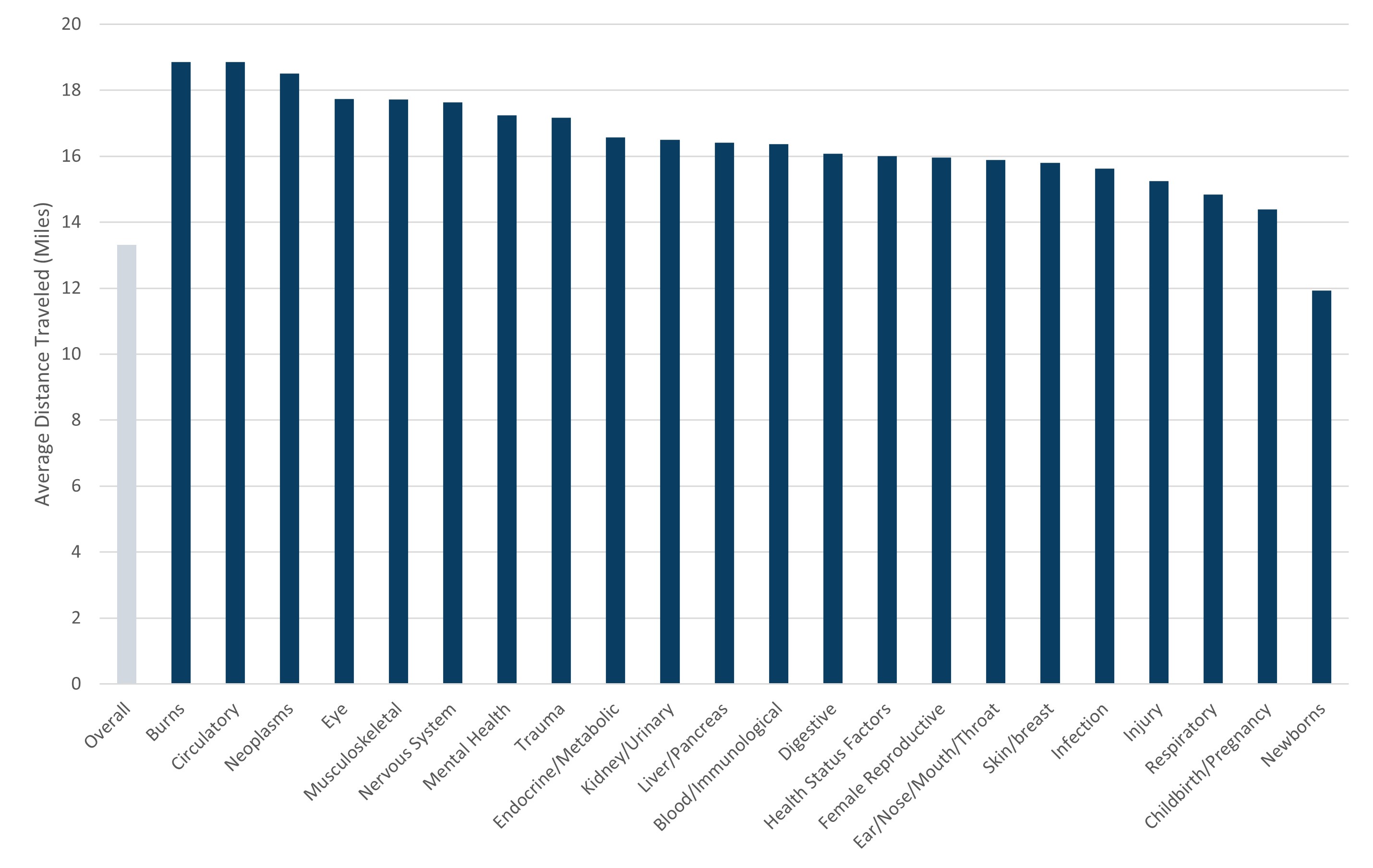 Read more: HCCI Data Byte: Using 5-Digit Enrollee and Hospital Zip Code Data to Examine Travel Times for Children’s Hospital Services
HCCI’s commercial claims dataset includes claims for over one-third of the population with health insurance through their job (employer-sponsored insurance, or ESI). There are a number of unique features of these data that make them valuable for answering important health care and health policy questions. One such feature is the 5-digit zip codes of ESI…
-
Greater Share of Children’s Emergency Room Visits were for Mental Health Needs in 2020
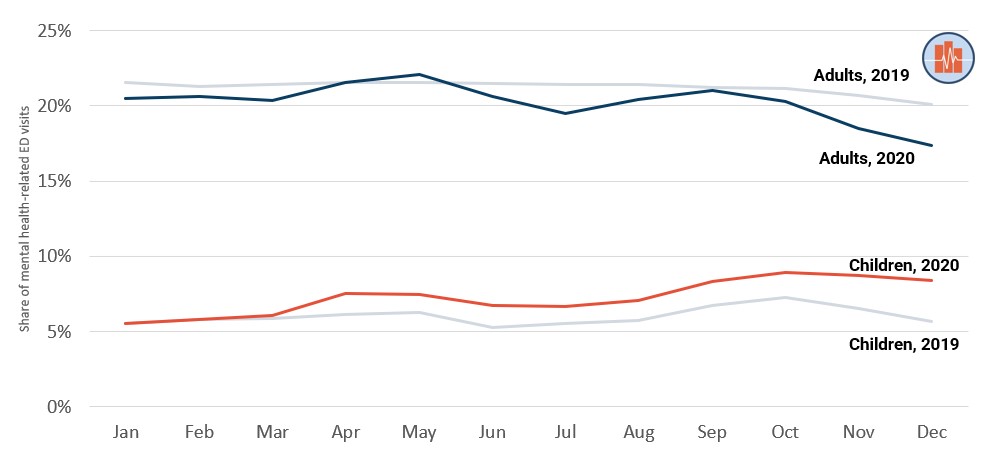 Read more: Greater Share of Children’s Emergency Room Visits were for Mental Health Needs in 2020
In 2021, the American Academy of Pediatrics, the American Academy of Child and Adolescent Psychiatry, and the Children’s Hospital Association, declared a National State of Emergency in Children’s Mental Health associated with the COVID-19 pandemic, including the loss of caregivers, school closures, social isolation, and gaps in health care (see citations below). Understanding the effect…
-
Children’s Health Services 2020 Report
 Read more: Children’s Health Services 2020 Report
The population with employer-sponsored health insurance (ESI) includes individuals who receive health insurance coverage from an employer, including employees and their dependents, such as spouses and eligible children. Half of the children in the U.S. are covered by ESI, making this form of coverage the largest source of insurance for American children. In this report,…
-
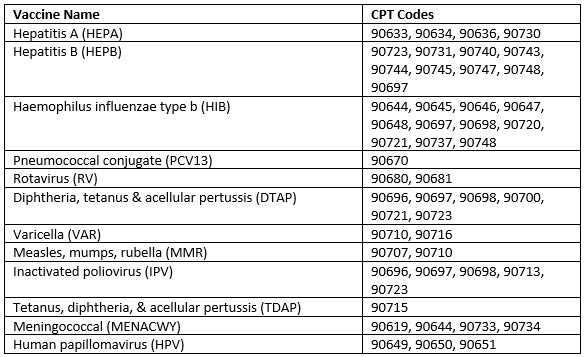
COVID-19 Disrupted On-Time Vaccination Rates In ESI and Medicaid in 2020
 Read more: COVID-19 Disrupted On-Time Vaccination Rates In ESI and Medicaid in 2020
It is no secret that the COVID-19 pandemic upended the U.S. health care system in 2020, with effects still being felt in 2022. HCCI previously published a brief that showed precipitous drops in the utilization of several preventive health care services in early 2020. Several news outlets have also covered the effect of the pandemic on routine…
-
Mental Health and Respiratory Admissions Account for the Majority of Non-Newborn Children’s Hospitalizations from 2016-2020
 Read more: Mental Health and Respiratory Admissions Account for the Majority of Non-Newborn Children’s Hospitalizations from 2016-2020
Half of American children have health insurance coverage through an employer (typically as a dependent on a parent’s coverage). Therefore, a major asset of employer-sponsored insurance (ESI) claims data is the opportunity to understand more about how children use and experience the health care system. In this brief, we use HCCI’s unique national dataset encompassing…
-
Annals of Surgery: Opioid Fills in Children Undergoing Surgery From 2011 to 2014: A Retrospective Analysis of Relationships Among Age, Initial Days Supplied, and Refills
Read more: Annals of Surgery: Opioid Fills in Children Undergoing Surgery From 2011 to 2014: A Retrospective Analysis of Relationships Among Age, Initial Days Supplied, and RefillsAbstract Objective: The primary objective is to describe the relationship between the days supplied of postsurgical filled opioid prescriptions and refills. Background: The American College of Surgeons (ACS) has called for surgeons to alter opioid prescribing to counteract the opioid epidemic while simultaneously providing pain relief. However, there is insufficient evidence to inform perioperative prescribing…
-
American Academy of Pediatrics: Insurance Mandates and Out-of-Pocket Spending for Children With Autism Spectrum Disorder
Read more: American Academy of Pediatrics: Insurance Mandates and Out-of-Pocket Spending for Children With Autism Spectrum DisorderABSTRACT BACKGROUND: The health care costs associated with treating autism spectrum disorder (ASD) in children can be substantial. State-level mandates that require insurers to cover ASD-specific services may lessen the financial burden families face by shifting health care spending to insurers. METHODS: We estimated the effects of ASD mandates on out-of-pocket spending, insurer spending, and…
-
Medical Care: The Differential Effects of Insurance Mandates on Health Care Spending for Children’s Autism Spectrum Disorder
Tags: Autism, Children, Commercially Insured, Inpatient Spending, Medical Care, Outpatient Spending, Peer Reviewed Journals Read more: Medical Care: The Differential Effects of Insurance Mandates on Health Care Spending for Children’s Autism Spectrum Disorder
ABSTRACT Objectives: There is substantial variation in treatment intensity among children with autism spectrum disorder (ASD). This study asks whether policies that target health care utilization for ASD affect children differentially based on this variation. Specifically, we examine the impact of state-level insurance mandates that require commercial insurers to cover certain treatments for ASD for…