
Reports
-
Outpatient Hospital Prices are Higher Among System-Affiliated, For-Profit, and Urban Hospitals
 Read more: Outpatient Hospital Prices are Higher Among System-Affiliated, For-Profit, and Urban Hospitals
Spending on hospital (inpatient and outpatient) services accounts for more than half of per-person health care spending in the employer-sponsored insured (ESI) population. In 2022, hospital outpatient facility spending per person accounted for nearly a third of total per person spending. Per-person outpatient spending increased 18% from 2018 to 2022, which was driven by a…
-
Facility Fees: What are they and how do they impact health care prices?
 Read more: Facility Fees: What are they and how do they impact health care prices?
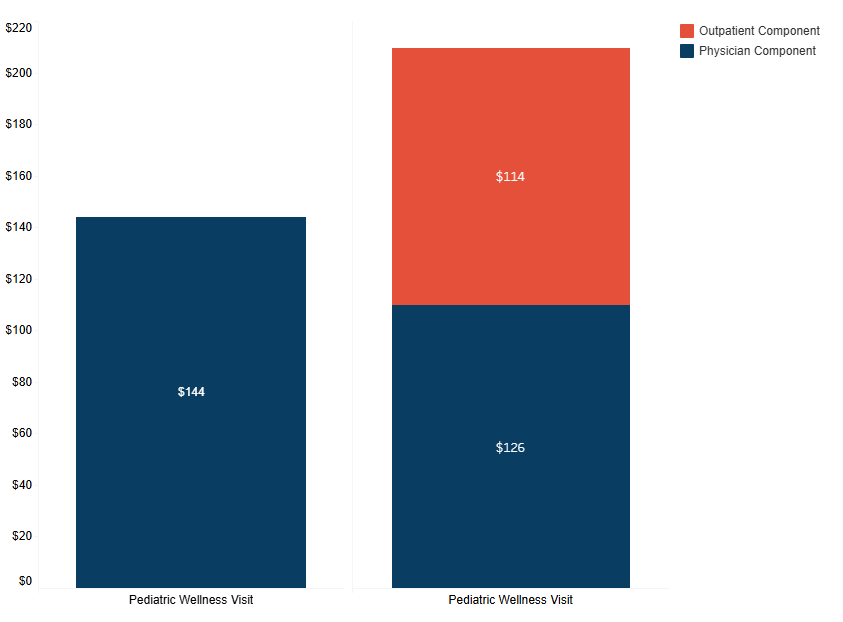
Research has shown that the price of a single service provided in a hospital outpatient department is consistently higher than the same service provided in a physician office. An earlier HCCI analysis examined 46 services that could be provided in either setting and found higher prices in outpatient departments for all services in all years…
-
Price Markups for Clinical Labs: Employer-based Insurance Pays Hospital Outpatient Departments 3x Than Physician Offices and Independent Labs for Identical Tests
Read more: Price Markups for Clinical Labs: Employer-based Insurance Pays Hospital Outpatient Departments 3x Than Physician Offices and Independent Labs for Identical TestsThe Health Care Cost Institute (HCCI) in collaboration with West Health conducted an analysis of the high prices that employer-based insurance pays hospital outpatient departments for clinical lab tests. We found that insurers are paying, on average, 3 times more for common lab tests such as blood and urine test when billed by hospital outpatient…
-
HCCI Spotlights American Heart Month: Cardiac Rehabilitation Rates Have Room to Grow
 Read more: HCCI Spotlights American Heart Month: Cardiac Rehabilitation Rates Have Room to Grow
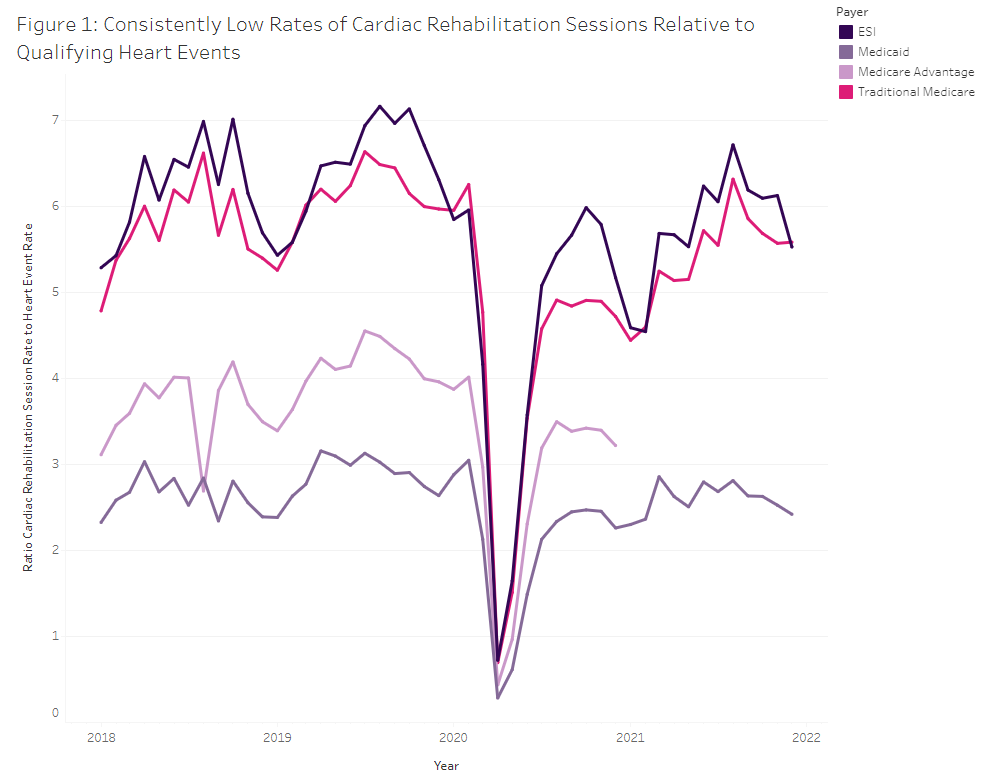
Cardiac rehabilitation is a program to help patients with heart events recover and return to normal activities. It is recommended following acute heart events and as a component of addressing chronic heart failure. Despite recommendations from federal agencies, advocacy groups, and national health associations and the documented benefits of cardiac rehabilitation, only 20-30% of people…
-
HCCI Data Brief: Sexual and Reproductive Health Among People with Employer-Sponsored Insurance, 2021 Data Update
 Read more: HCCI Data Brief: Sexual and Reproductive Health Among People with Employer-Sponsored Insurance, 2021 Data Update
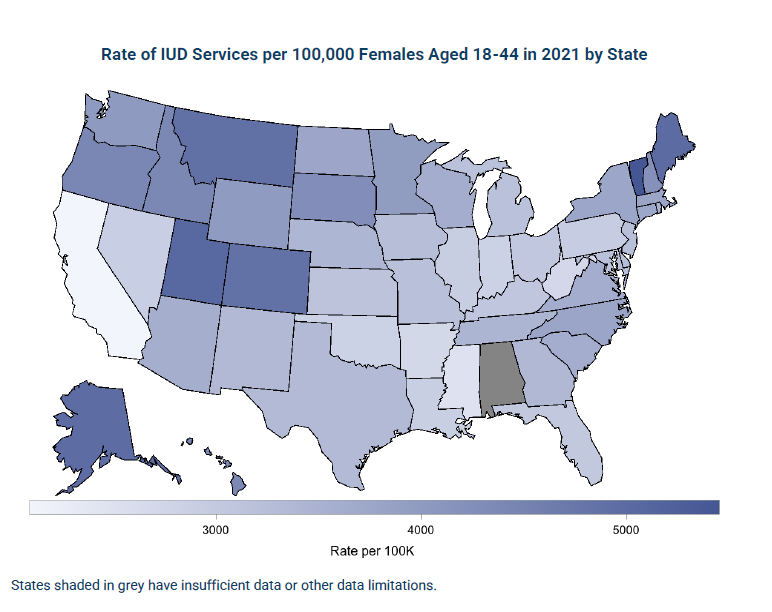
Reproductive and sexual health services play an important role in daily life and wellbeing for many people. These services include preventive services (such as screenings for sexually transmitted infections and reproductive cancers), contraceptive services, and services relating to pregnancy and childbirth. The objective of this report is to provide national and state data on the…
-
More Children Visit the Emergency Room for Asthma during School Months Compared to Summer Months
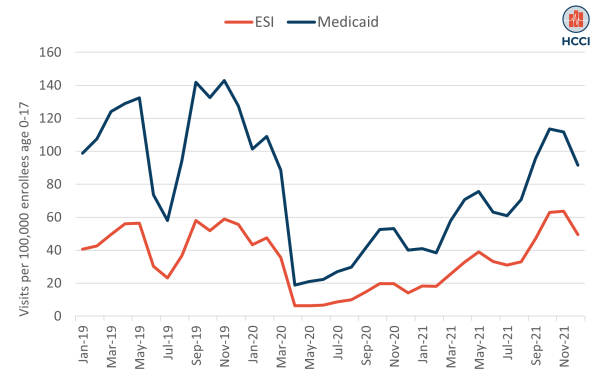 Read more: More Children Visit the Emergency Room for Asthma during School Months Compared to Summer Months
Asthma is the most common chronic condition among children in the U.S. and one of the leading reasons for pediatric emergency room (ER) visits. Schools play an important role in managing asthma among children since kids spend most of their time in school and school buildings may have environmental factors such as poor air quality…
-
The Share of Ozempic Users with Diabetes has Decreased Over Time, Indicating Increased Off-label Use
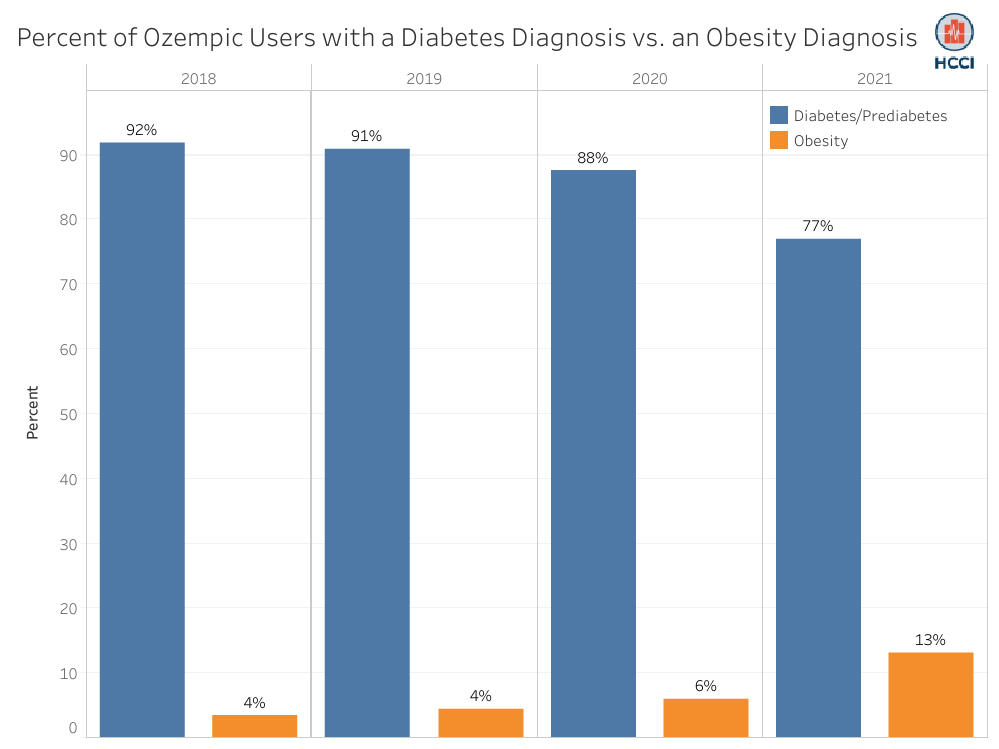 Read more: The Share of Ozempic Users with Diabetes has Decreased Over Time, Indicating Increased Off-label Use
Ozempic, a relatively new anti-diabetes drug, has been in the headlines because of widespread shortages that are making it difficult for patients who use the drug to manage diabetes to access it. Some news articles suggest that off-label use for weight loss has been a factor associated with increased demand. The active ingredient in Ozempic is…
-
Measuring the Prevalence of Obesity Using a Distributed Electronic Health Record Network
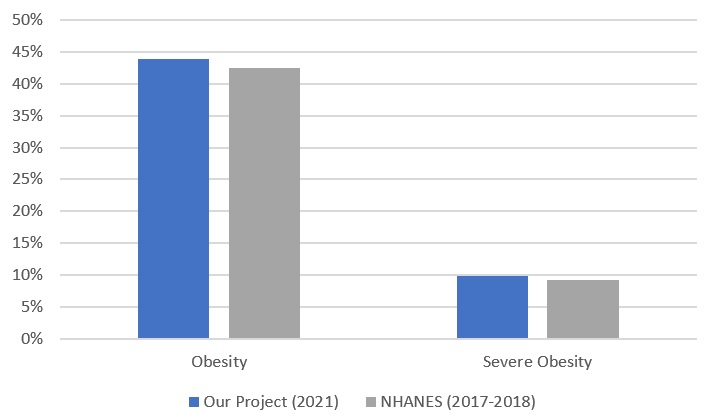 Read more: Measuring the Prevalence of Obesity Using a Distributed Electronic Health Record Network
Obesity is a serious and costly chronic disease that has been increasingly common among the U.S. population. Electronic health record (EHR) data have the potential to support research and patient care interventions. The timeliness and availability of aggregated clinical data can be used in near-real time to monitor obesity prevalence based on body mass index…
-
Children’s Health Services 2020 Report
 Read more: Children’s Health Services 2020 Report
The population with employer-sponsored health insurance (ESI) includes individuals who receive health insurance coverage from an employer, including employees and their dependents, such as spouses and eligible children. Half of the children in the U.S. are covered by ESI, making this form of coverage the largest source of insurance for American children. In this report,…
-
Insulin is expensive
Read more: Insulin is expensiveOver 10% of the U.S. population— more than 34 million individuals— lives with diabetes, with 1.5 million new cases diagnosed each year. As people with diabetes manage this chronic condition, they often pay substantial amounts out of their own pockets on medical care and prescription medications. Using HCCI’s unique health care claims dataset, this brief…