Publications
-
HCCUR Data Point: Trends in Total (Administered and Prescription) Drug Spending in ESI
 Read more: HCCUR Data Point: Trends in Total (Administered and Prescription) Drug Spending in ESI
Total spending on drugs includes spending on prescription drugs (typically oral medications prescribed by a physician, picked up by a patient at a local pharmacy, and taken at home) and administered drugs (typically injected or infused under the supervision of a health care professional either in an outpatient facility or physician office). In HCCI’s Health Care Cost…
-
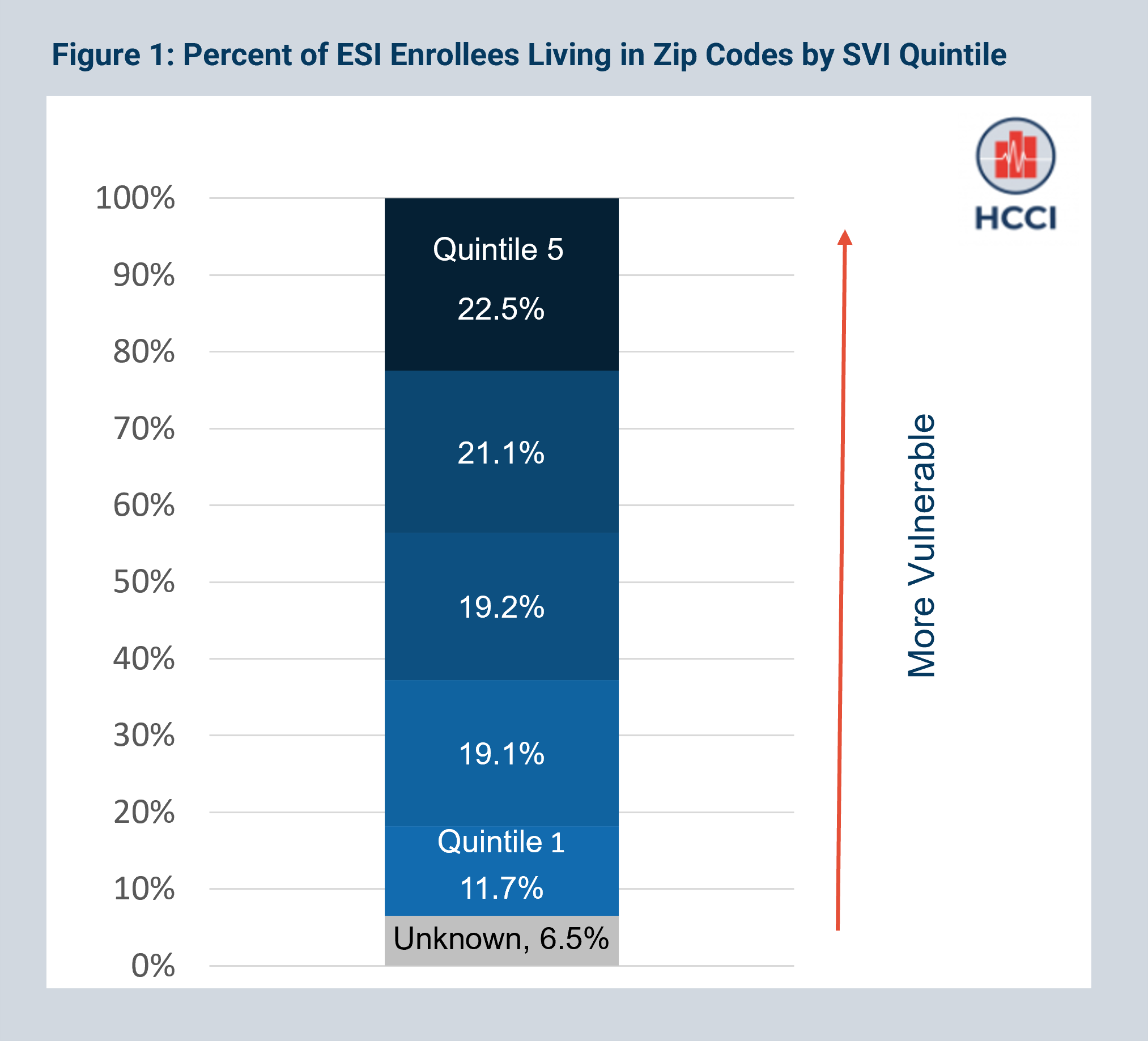
Employer-Sponsored Health Insurance Plays a Significant Role in Vulnerable and Rural Communities
 Read more: Employer-Sponsored Health Insurance Plays a Significant Role in Vulnerable and Rural Communities
Health care insurance claims data capture what health care services people use and how much they pay. These data are crucial for understanding the state of the U.S. health care system, including aspects that function well, those that need improvement, and how to achieve better health and access to care across populations. In this report,…
-
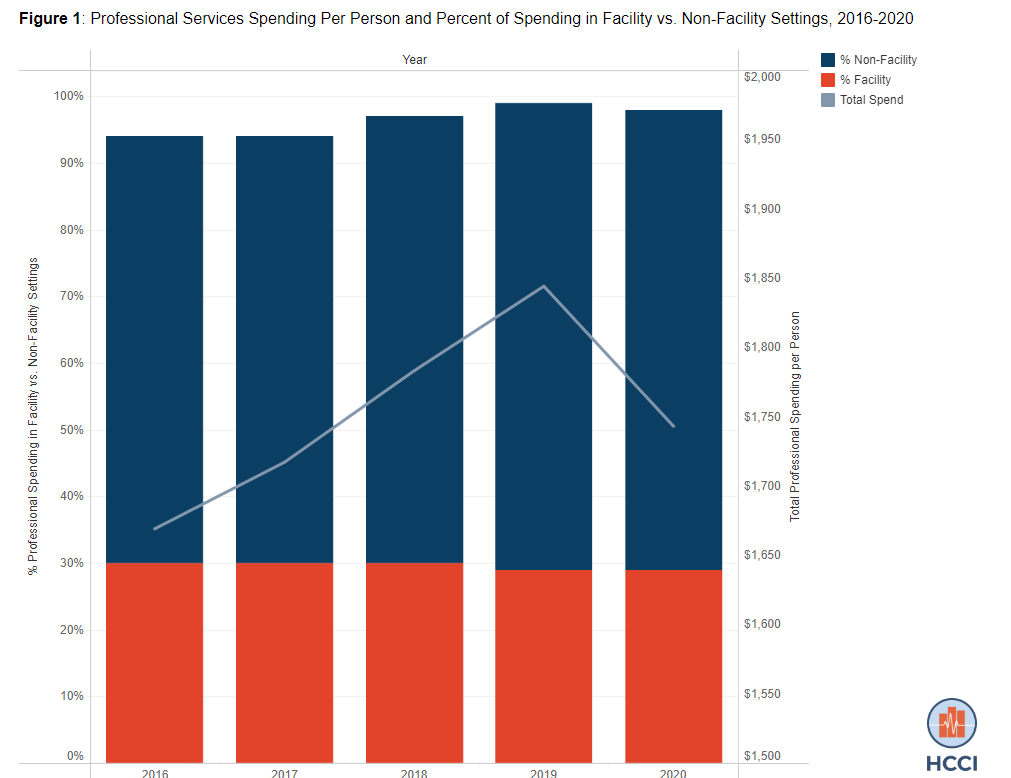
HCCUR Data Point: Use and Spending on Clinician Services in Hospital and Non-Hospital Settings
 Read more: HCCUR Data Point: Use and Spending on Clinician Services in Hospital and Non-Hospital Settings
In HCCI’s Health Care Cost and Utilization Report (HCCUR), we report per person spending on health care services of $5,607 in 2020. Of this spending, $1,514 (27%) was on services that occurred in a hospital outpatient setting and $1,071 (19%) was on services that occurred in a hospital inpatient setting. These spending amounts do not…
-
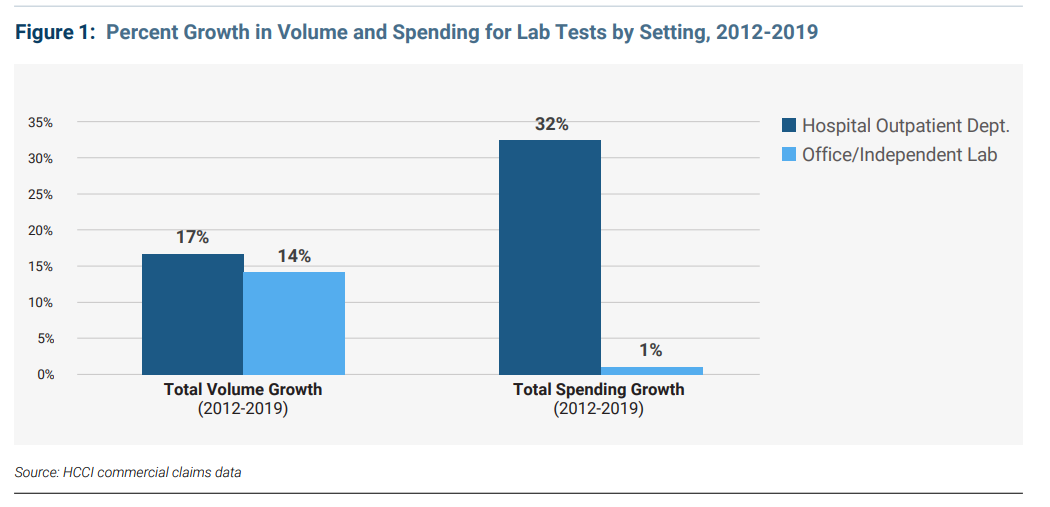
Price Markups for Clinical Labs: Employer‑based Insurance Pays Hospital Outpatient Departments 3X More Than Physician Offices and Independent Labs for Identical Tests
 Read more: Price Markups for Clinical Labs: Employer‑based Insurance Pays Hospital Outpatient Departments 3X More Than Physician Offices and Independent Labs for Identical Tests
The Health Care Cost Institute (HCCI) in collaboration with West Health conducted an analysis of the high prices that employer-based insurance pays hospital outpatient departments for clinical lab tests. We found that insurers are paying 3 times more for identical tests (such as simple blood and urine tests) when billed by hospital outpatient departments compared to…
-
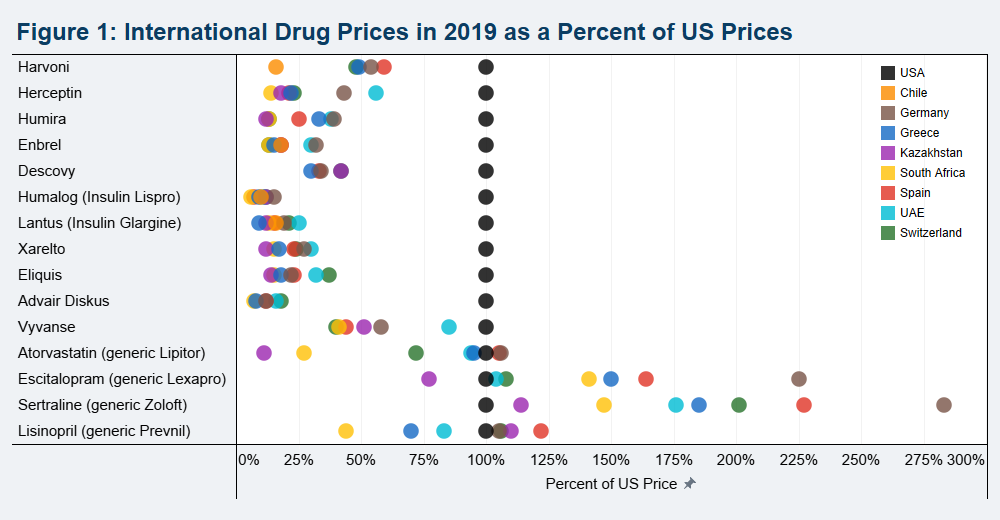
International comparisons of health care prices from the 2019 iFHP study
 Read more: International comparisons of health care prices from the 2019 iFHP study
The International Federation of Health Plans (iFHP), an executive network of the global health insurance industry based in London, in partnership with the Health Care Cost Institute (HCCI) in the United States, and iFHP member companies in multiple countries, today published the latest International Health Cost Comparison Report. The report compares the median prices paid…
-
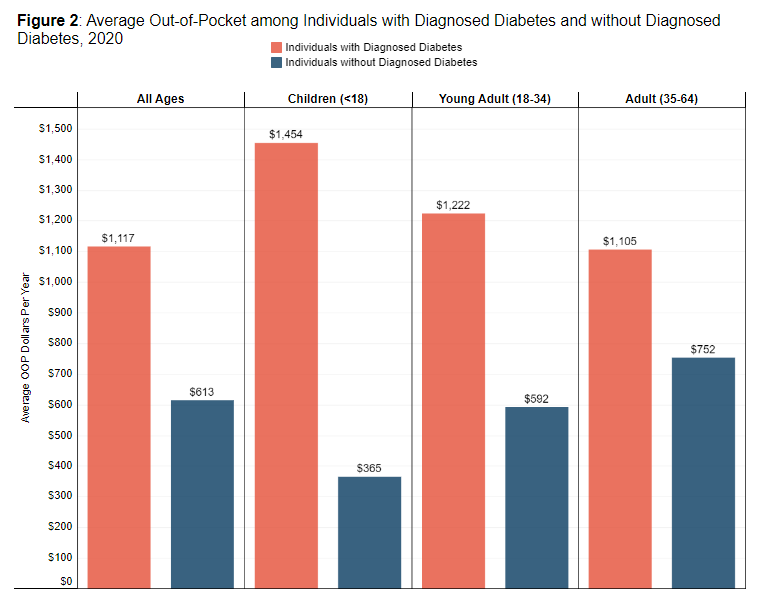
Privately Insured Individuals with Diabetes Spend Twice as Much Out-of-Pocket on Health Care as those without Diabetes
 Read more: Privately Insured Individuals with Diabetes Spend Twice as Much Out-of-Pocket on Health Care as those without Diabetes
Over 10% of the U.S. population— more than 34 million individuals— lives with diabetes, with 1.5 million new cases diagnosed each year. As people with diabetes manage this chronic condition, they often pay substantial amounts out of their own pockets on medical care and prescription medications. Using HCCI’s unique health care claims dataset, this brief…
-
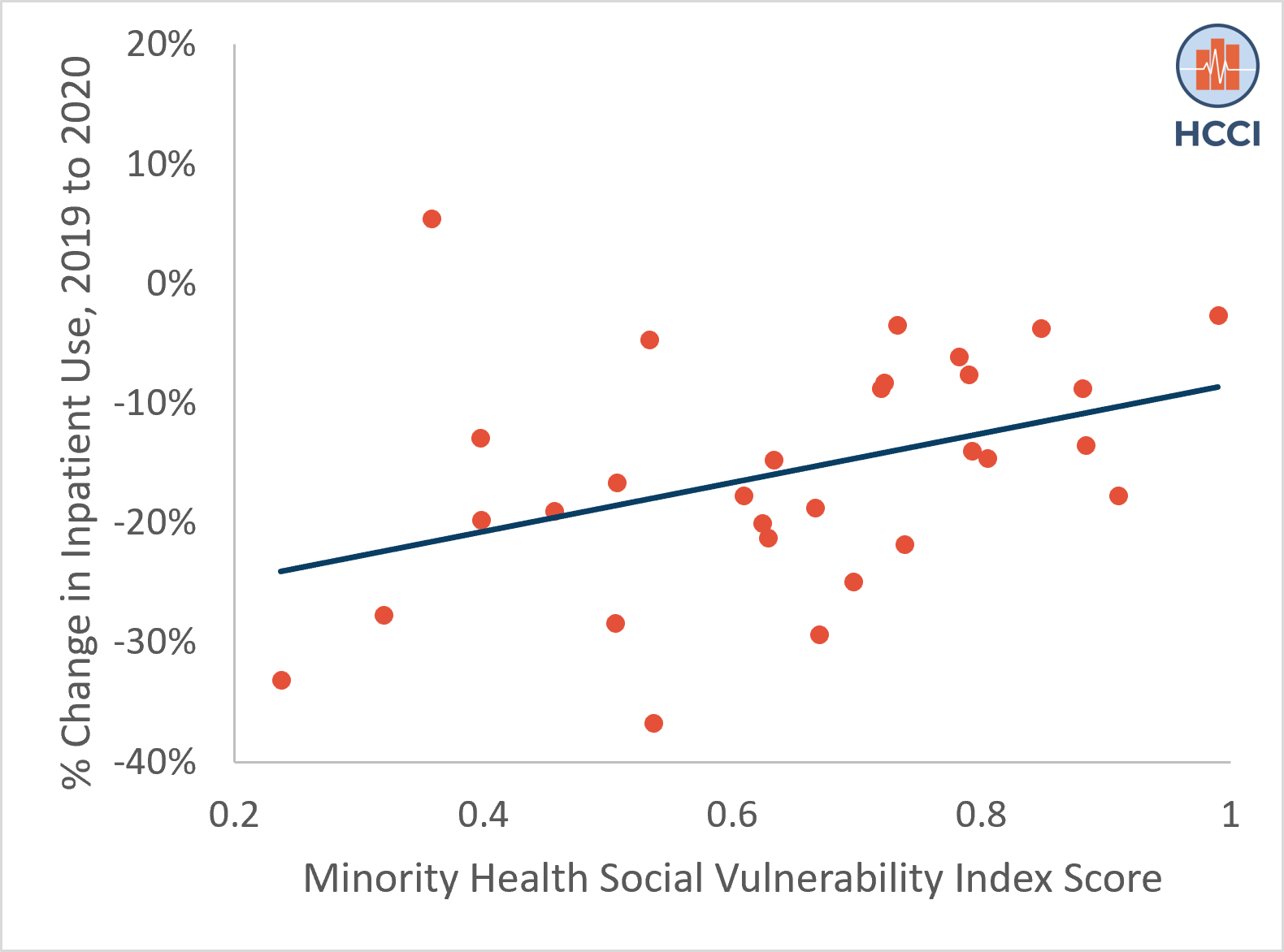
The First Year of the COVID-19 Pandemic Had a Disproportionate Impact on Inpatient Service Use in Socially Vulnerable Metro Areas
 Read more: The First Year of the COVID-19 Pandemic Had a Disproportionate Impact on Inpatient Service Use in Socially Vulnerable Metro Areas
Each year, HCCI publishes an annual update to the Healthy Marketplace Index (HMI), an interactive tool that describes how health care prices, use, and spending vary across metropolitan areas. HMI helps us to understand how these aspects of the health care system compare and contrast to the median metropolitan area. We recently released the latest…
-
One-Third of Births Occurred by C-Section in ESI and Medicaid in 2020
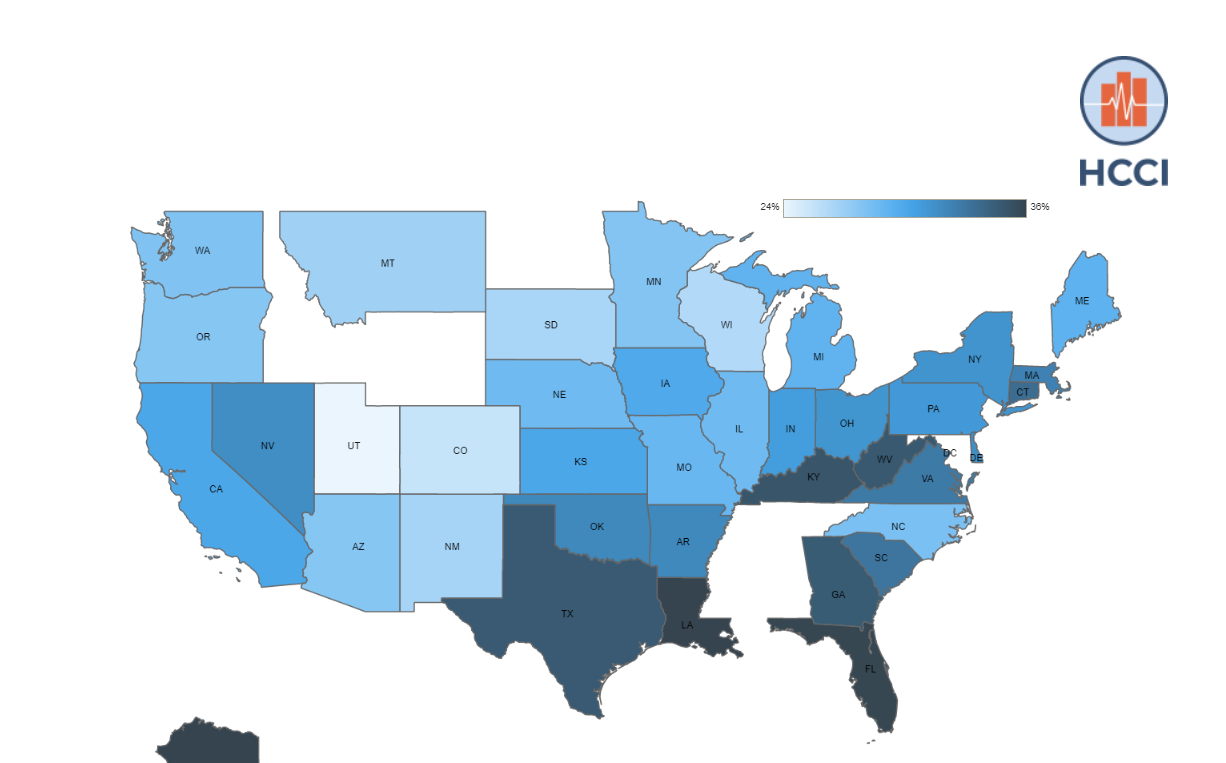 Read more: One-Third of Births Occurred by C-Section in ESI and Medicaid in 2020
Caesarean sections (c-sections) are often life-saving procedures that can prevent injury and death among birthing people and newborns. At the same time, when they are not medically necessary, c-sections may have higher risks to babies and birthing people than vaginal births. Monitoring rates of c-sections among birthing people is an important component of efforts to improve…
-
Average Payments for Childbirth Among the Commercially Insured and Fee-for-Service Medicaid
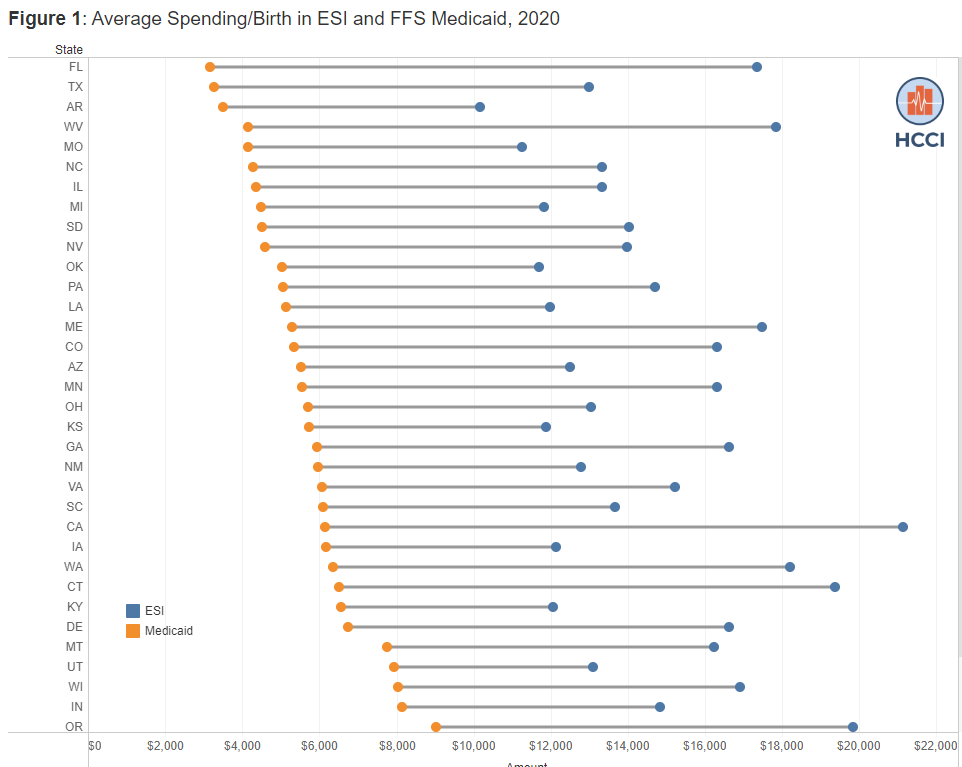 Read more: Average Payments for Childbirth Among the Commercially Insured and Fee-for-Service Medicaid
It is well-established that the rates hospitals and physicians are paid to provide health care services are significantly lower in Medicaid than in private health insurance. In this brief, we provide new data on this payment gap in the context of childbirth, an especially relevant area of care since Medicaid and ESI together cover the…
-
Effects of COVID-19 on Health Care Spending Were Concentrated in April-May 2020
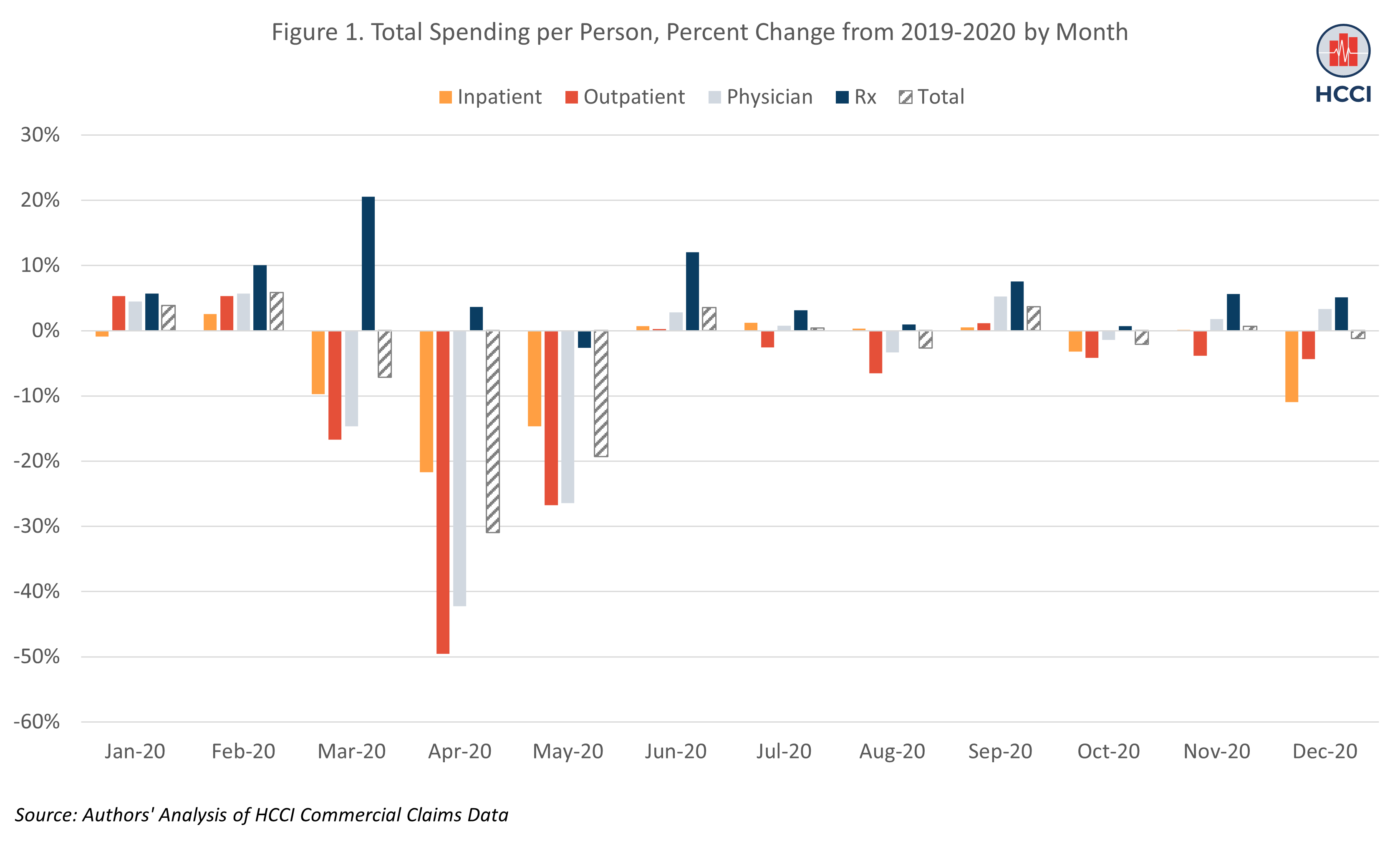 Read more: Effects of COVID-19 on Health Care Spending Were Concentrated in April-May 2020
The COVID-19 pandemic shaped health care spending and use over the past two years in numerous ways. We recently released our Health Care Cost and Utilization Report which provides data from the first year of the pandemic on health care use, spending, and prices across different types of services for approximately 55 million individuals enrolled…