
Publications
-
Use of Prenatal Care Varies among People with Employer-Sponsored Insurance
Tags: Maternal Health Read more: Use of Prenatal Care Varies among People with Employer-Sponsored Insurance
Prenatal care leads to healthier pregnancy, healthier pregnant people, and healthier babies. In fact, birthing parents who receive prenatal care are three times less likely to deliver low birthweight babies, and the baby is five times more likely to survive delivery. To explore the kind of prenatal care pregnant people receive, we looked at utilization…
-
Understanding Variation in Spending on Childbirth Among the Commercially Insured
 Read more: Understanding Variation in Spending on Childbirth Among the Commercially Insured
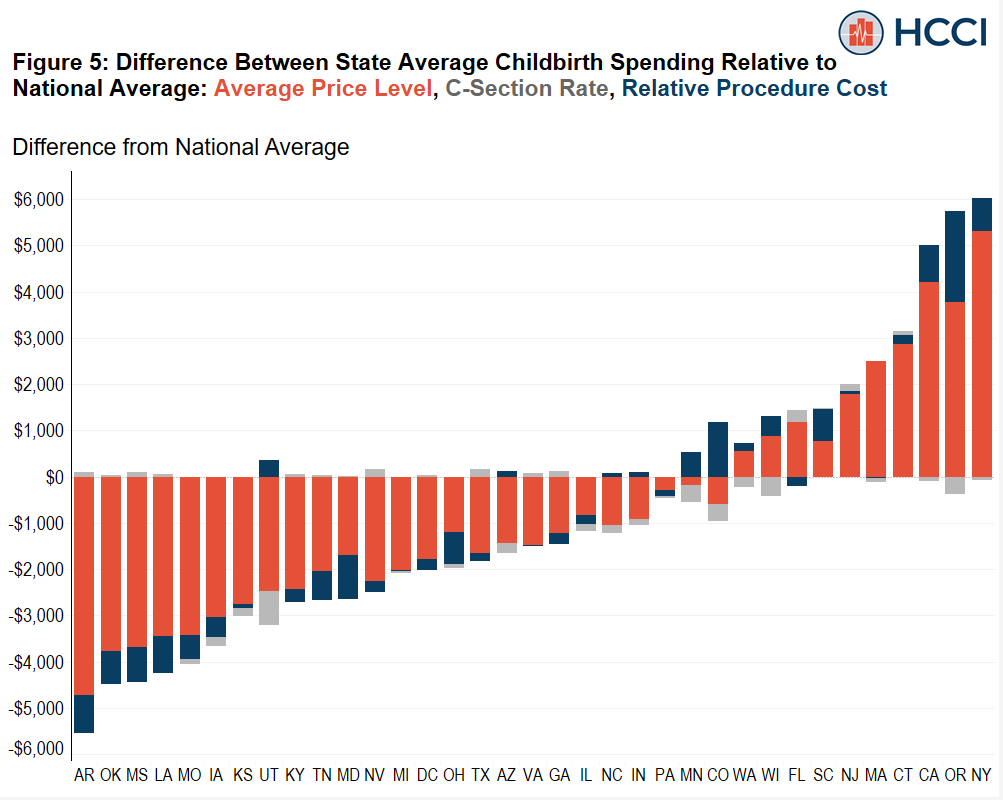
Childbirth is the most frequent reason for an inpatient admission in the United States, and Cesarean-section (C-section) is the most common operating room procedure in an inpatient hospital stay. Among people who get insurance through an employer, the combination of labor, delivery, and newborn care makes up nearly one in six dollars spent on inpatient…
-
Most Postpartum Spending Occurs Beyond 60 Days After Delivery
 Read more: Most Postpartum Spending Occurs Beyond 60 Days After Delivery
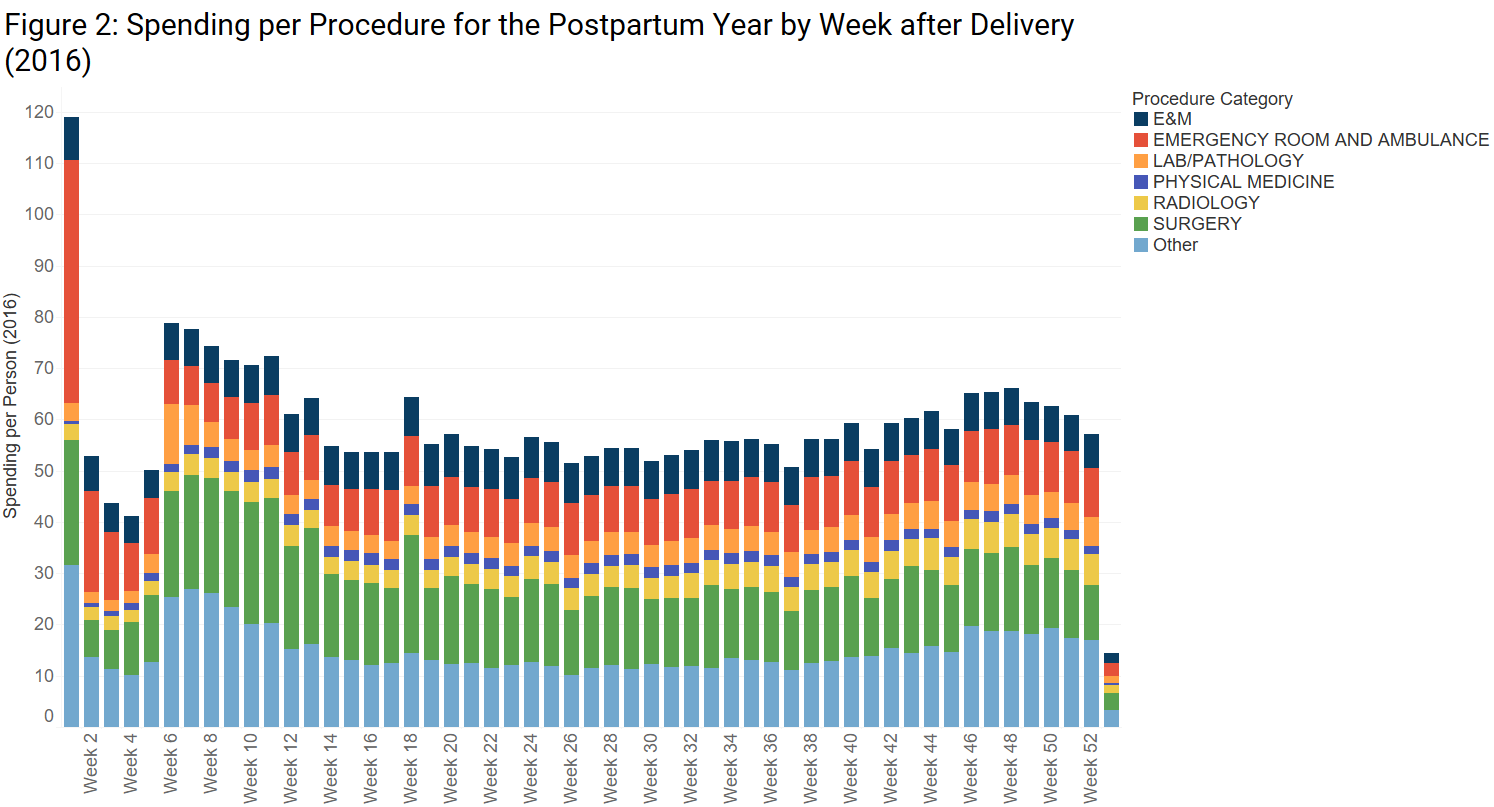
The postpartum period is a vulnerable time for both birthing parent and newborn and is critically important to their health and well-being. The American College of Obstetricians and Gynecologists (ACOG) recommends ongoing, comprehensive care, including physical, social, and psychological services, during the postpartum period. In large part because of an increasing maternal mortality rate in the US –…
-
Health Affairs: Physician Prices And The Cost And Quality Of Care For Commercially Insured Patients
 Read more: Health Affairs: Physician Prices And The Cost And Quality Of Care For Commercially Insured Patients
Abstract: We analyzed the relationship between prices paid to 30,549 general internal medicine physicians and the cost and quality of care for 769,281 commercially insured adults. The highest-price physicians were paid more than twice as much per service, on average, as the lowest-price physicians were. Total annual costs for patients of the highest-price physicians were…
-
Journal of Industrial Economics: Any Willing Provider and Negotiated Retail Pharmaceutical Prices
Read more: Journal of Industrial Economics: Any Willing Provider and Negotiated Retail Pharmaceutical PricesAbstract: Any Willing Provider (AWP) regulations require insurers to allow health care providers network membership, eliminating an insurer’s ability to commit to a limited network of providers. We study the effect of AWP on prices negotiated between insurers and providers by exploiting the introduction of a regulation targeting retail pharmacies in the state of Maine. Using…
-
Health Affairs: Prevalence And Characteristics Of Surprise Out-Of-Network Bills From Professionals In Ambulatory Surgery Centers
Read more: Health Affairs: Prevalence And Characteristics Of Surprise Out-Of-Network Bills From Professionals In Ambulatory Surgery CentersAbstract: Patients treated at in-network facilities can involuntarily receive services from out-of-network providers, which may result in “surprise bills.” While several studies report the surprise billing prevalence in emergency department and inpatient settings, none document the prevalence in ambulatory surgery centers (ASCs). The extent to which health plans pay a portion or all of out-of-network…
-
Compared to What? Baseline Understanding of the Distribution of Hospital Care
Read more: Compared to What? Baseline Understanding of the Distribution of Hospital CareThe pandemic of a new coronavirus, COVID-19, is increasing demand on hospitals as unprecedented numbers of people with respiratory disease seek treatment. In addition to straining hospital resources directly related to care of COVID-19, the outbreak may also displace other types of care. In this analysis, we hope to inform the understanding of the distribution…
-
2018 Health Care Cost and Utilization Report
 Read more: 2018 Health Care Cost and Utilization Report
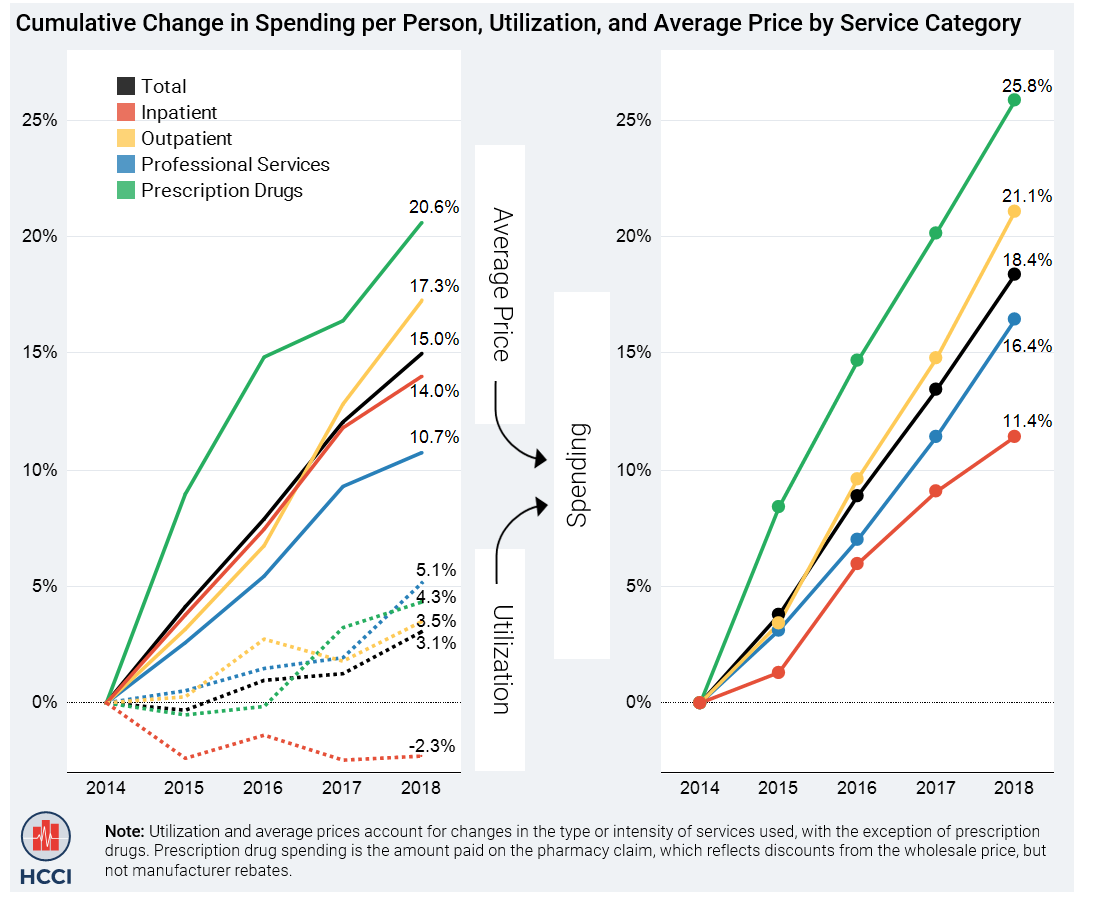
The 2018 Health Care Cost and Utilization Report presents data on health care spending, utilization, and average prices from 2014 through 2018 for individuals under the age of 65 who receive health insurance coverage through an employer. The report draws on data from more than 2.5 billion medical and prescription drug claims for approximately 40…
-
What if Price Transparency Reduced Commercial Price Variation?
 Read more: What if Price Transparency Reduced Commercial Price Variation?
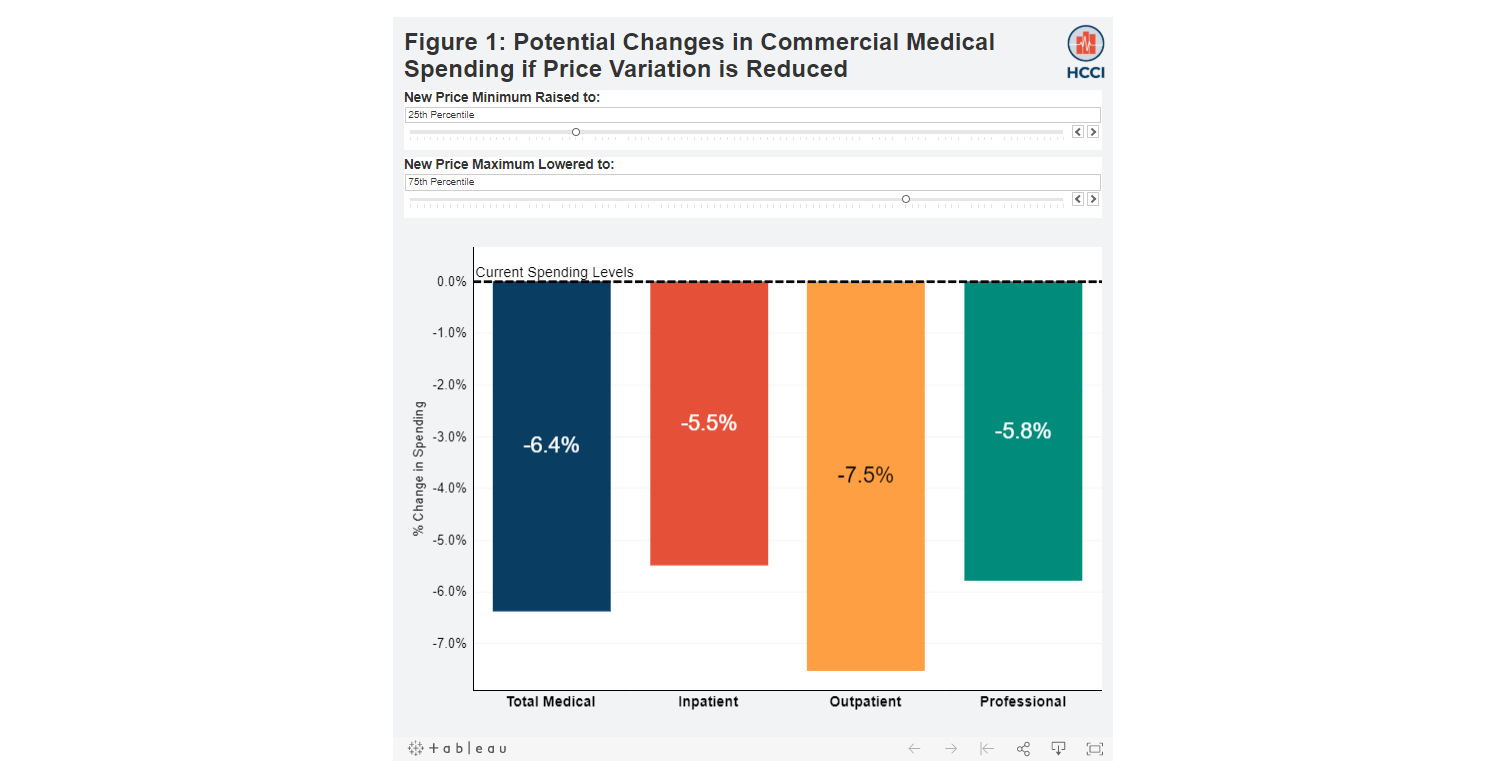
As previous reports have indicated, there is widespread price variation in the U.S. commercial health care system. Many studies have shown that prices are dramatically different not only across geographies, but they vary substantially even within the same market for the same service. For example, we found that prices for the same blood tests could…
-
CMS-specified shoppable services accounted for 12% of 2017 health care spending among individuals with employer-sponsored insurance
Tags: Commercially Insured, Inpatient Spending, Out-of-Pocket, Outpatient Spending, Shoppable Services, UtilizationRead more: CMS-specified shoppable services accounted for 12% of 2017 health care spending among individuals with employer-sponsored insuranceIn response to high and growing health care spending, policymakers have proposed improving price transparency as a solution. Several such proposals rely on consumers taking action on publicly available information for shoppable services – generally, non-emergency services that a person could choose more deliberately. In 2021, hospitals will be required to display, in a consumer-friendly manner,…